








…IPOB/ESN elements who are overwhelmingly Christians have carried out hundreds of assassinations, destroyed security formations, attacked civilians, extorted communities, and imposed illegal sit-at-home orders that have crippled the South East economy. Markets, transport systems, schools, farms, and small businesses have been devastated
By: Zagazola Makama
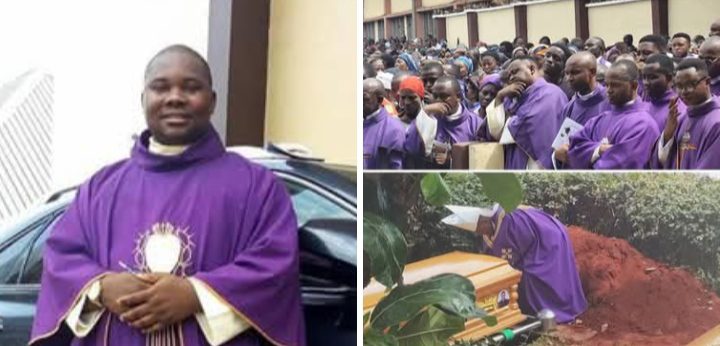
Three months ago, two Catholic priests Fr. John Igwebueze and Fr. Matthew Eya of the Catholic Diocese of Nsukka, Enugu State were brutally murdered by armed members of the proscribed IPOB/ESN group, widely referred to as “Unknown Gunmen.” Their killers did not hide. They claimed responsibility. There was no ambiguity, no attempt to shift blame, no opportunity to invoke the usual scapegoats. And yet, the country remained disturbingly quiet.
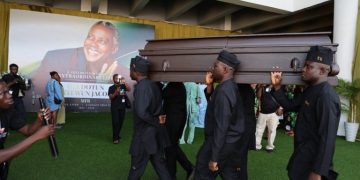
There were no trending hashtags, no loud condemnations from pulpits, no fiery commentaries from activists, and no international calls for inquiries. The Catholic Diocese of Nsukka buried the slain priests quietly without protest marches, vigils, or the global attention that similar tragedies have elicited in the past.
Even the Christian Association of Nigeria (CAN) has remained silent, offering no statement or call for international attention from Donald Trump or US Senator Ted Cruz since the attackers were not those they wanted to carry out the crimes. They are IPOB. During the burial, most media houses did not amplify the incident because it could not serve as fuel for the usual narratives.
International actors who regularly spotlight religion-related violence in Nigeria remained silent. There were no statements from groups in the United States or Europe. No congressional letters. No tweets from Christian lobby networks. No protests. Why? Because the attackers were not the preferred villains.
Bishop Wilfred Chikpa Anagbe of the Catholic Diocese of Makurdi who is one of the persons at the centre of the row between the United States (US) and Nigeria over alleged genocide against Christians in Nigeria, kept mum about this one.
This silence has once again exposed a painful reality in Nigeria’s narrative landscape: outrage often depends on who the perpetrator is, not on the value of the lives lost.
Ordinarily, the killing of Catholic clergy would spark national outrage. But this time, many of those who typically amplify such tragedies chose silence. The reason is painfully clear: since the perpetrators were not Fulani herdsmen the incident did not fit into the long-maintained narrative of “Christian genocide.”
Some clerics who routinely denounce attacks when they can be linked rightly or wrongly to Fulani herders avoided the subject. Until the burial, No high-profile Christian leaders issued statements.
In recent years, IPOB/ESN elements who are overwhelmingly Christians have carried out hundreds of assassinations, destroyed security formations, attacked civilians, extorted communities, and imposed illegal sit-at-home orders that have crippled the South East economy. Markets, transport systems, schools, farms, and small businesses have been devastated. Many families have been displaced. Yet, the loudest voices in Nigeria’s activist circles, civil society, and religious communities rarely connect these pains to IPOB terrorism. Even if it is glaringly that they committed the crime, they are often labelled as unknown gunmen.
In fact, a recent viral video showed IPOB elements attempting to stage-manage footage to implicate Fulani herders an intentional propaganda move to sustain their preferred narrative.
Meanwhile, evidence shows that extremists and criminals exist in every community Fulani, Igbo, Yoruba, Kanuri, Tiv, and others. While it is true that some Fulani-linked terrorists and bandit groups have committed horrific killings targeting Muslims, Christians, and people of other ethnic background, this does not justify labeling an entire ethnic group as violent. What Nigeria is witnessing today is not just violence it is a moral crisis.
•Opinions, positions or thoughts expressed here are personal and strictly of the writer/author and do not represent the views of The Daily Crucible.