













By Daphne Gelegu, Port Harcourt
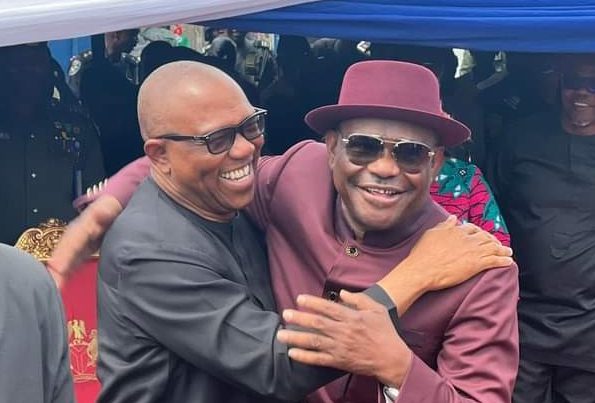
Minister of the Federal Capital Territory (FCT), Nyesom Wike, has declared that the political momentum Peter Obi enjoyed during the 2023 presidential election has faded, insisting that the former Anambra State governor no longer commands the level of support that once made him a major force in Nigerian politics.
Wike, who described Obi as a dramatist, maintained that the presidential candidate of the Nigeria Democratic Congress (NDC) had little to offer Nigerians as the country approaches the 2027 general election.
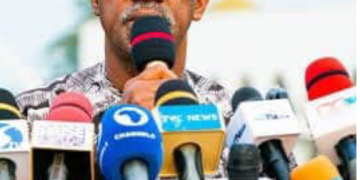
The minister made the remarks on Thursday during his monthly media chat in Port Harcourt, Rivers State, where he also questioned the electoral strength of the proposed political alliance involving Obi and former Kano State Governor, Rabiu Musa Kwankwaso, under the NDC platform.
Dismissing the popularity associated with Obi’s 2023 presidential campaign, Wike declared that the movement had lost its relevance, claiming that its political influence had effectively been brought to an end.
“All this so-called Obi kererenke doesn’t exist again. I have killed it,” Wike said.
He argued that the political atmosphere that generated widespread enthusiasm for Obi during the last presidential election had changed, suggesting that Nigerians had become more aware of what he described as the former governor’s shortcomings.
“Nigerians know that Obi has nothing to offer, he is a dramatist. You were there when Soludo exposed him,” the minister said.
Wike also turned his criticism towards former Vice-President Atiku Abubakar, the presidential candidate of the African Democratic Congress (ADC), arguing that Nigerians had previously given him and other political figures opportunities to lead the country without delivering the expected results.
According to the FCT minister, the voting public would consider the past records of politicians seeking another opportunity to govern, rather than simply responding to political promises.
“Nigerians know that Atiku and co have been given the opportunity, but they did not do anything. Nigerians know that the former governor of Rivers State looted our state,” he said.
On Kwankwaso’s political standing, Wike acknowledged that the former Kano governor remained an influential political figure, particularly in his home state. However, he questioned whether that popularity could translate into substantial electoral support across other parts of Northern Nigeria.
He recalled that although Kwankwaso secured victory in Kano during the 2023 presidential election, his performance in other northern states raised questions about his wider political reach.
“I agree that Kwankwaso is very popular, but he ran in 2023 and won in Kano, fine, but what about the other northern states? What about the North-Central, what will happen there?” he asked.
The minister further challenged the continued financial and grassroots backing for Obi, questioning whether the former Labour Party presidential candidate could still attract the kind of public contributions and popular enthusiasm that characterised his previous presidential campaign.
Wike maintained that the political movement built around Obi had lost its former appeal, dismissing suggestions that the former Anambra governor could reproduce the electoral momentum he enjoyed in 2023.
“The Obi wave is dead and buried. How many people are contributing money for Obi today?” he said.
His comments come amid growing political realignments and discussions over possible alliances ahead of the 2027 general election, with the potential Obi-Kwankwaso partnership emerging as one of the issues attracting attention in the evolving opposition landscape.