



















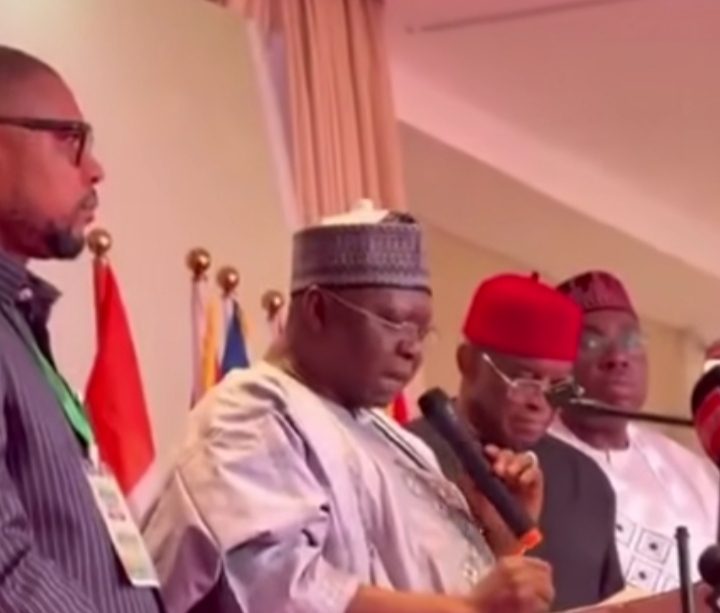
Nigeria’s opposition political parties have taken a dramatic step ahead of the 2027 general elections, resolving to set aside long-standing rivalries and present a single, consensus presidential candidate to challenge the ruling All Progressives Congress (APC).
The landmark decision was reached at a national summit of opposition parties held on Saturday, April 25, 2026, in Ibadan, the Oyo State capital.
Parties present at the high-stakes meeting included the Peoples Democratic Party (PDP), African Democratic Congress (ADC), Peoples Redemption Party (PRP), New Nigeria Peoples Party (NNPP), Labour Party (LP), and several others including Accord Party, Allied Peoples Movement (APM), Action Alliance (AA), African Democratic Party(ADP), Zenith Labour Party(ZLP), DLA and YP.
Opposition political leaders that graced the Ibadan national summit aimed at strengthening unity and coordination among political parties where former President Olusegun Obasanjo was listed as chair of the meeting, included ex – Vice President Atiku Abubakar, ex – Information Minister, Jerry Gana, former Interior Minister, Rauf Aregbesola, former Kano State Governor, Rabiu Kwankwaso, former Sokoto State Governor Aminu Waziri Tambuwal and Lagos State 2023 Labour Party governorship candidate, Gbadebo Rhodes-Vivour among others.
The summit, hosted at the Banquet Hall of the Oyo State Government House, by Governor Seyi Makinde is themed “That We May Work Together for a United Opposition to Sustain Our Democracy.”
The organisers described it as a response to Nigeria’s socio-economic and security challenges.
And further emphasizing it through a statement shared via the Peoples Democratic Party’s official X page, the organisers said the meeting served as a strategic response to the “socio-economic and security challenges currently facing the Federation.”
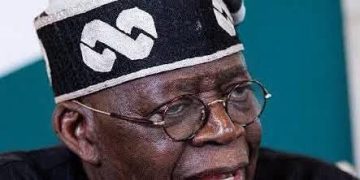
Reading the communiqué on behalf of the participating chairmen, Taminu Turaki, factional National Chairman of the PDP, described the move as a necessary step to wrest power from the APC and President Bola Ahmed Tinubu in 2027 and reposition the country.
“We shall work towards fielding one presidential candidate for the 2027 elections, which shall be agreed and supported by all participating opposition parties to rescue our nation and her long-suffering masses.”
Beyond the unity pact, the summit also took a swipe at the leadership of the Independent National Electoral Commission (INEC), passing a vote of no confidence on its chairman, Joash Amupitan.
The opposition accused Amupitan of open bias in favour of the ruling party, warning that his continued stay in office could undermine public trust and trigger a national crisis. The coalition demanded his immediate replacement with what it described as a neutral and credible figure to safeguard the integrity of the electoral process.
The resolution signaled a potentially seismic shift in Nigeria’s political landscape, with opposition forces seeking strength in unity as the race for 2027 begins to gather momentum.