
























By Ibrahim Salaudeen, Lagos
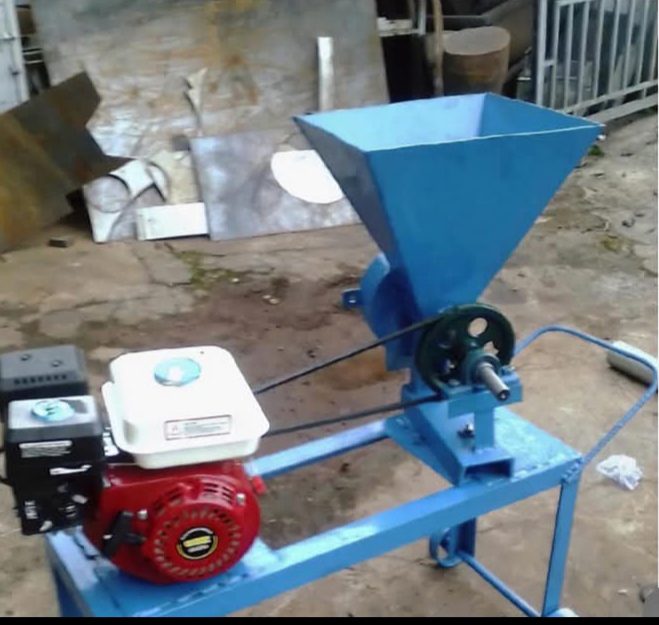
The Federal Institute of Industrial Research, Oshodi (FIIRO), Lagos has expressed concern about rising cases of organ failure and cardiovascular diseases, particularly among Nigerian youths, saying the cause may be traced to consumption of foods processed with locally fabricated grinding machines.
The Director-General of FIIRO, Dr Jummai Adamu Tutuwa, who disclosed this in a statement to newsmen on Monday, cited findings from research conducted by the institute to support the assertion.
She explained that a comprehensive assessment carried out by FIIRO scientists in 2013 found that locally made grinding machines often used to process elubo (yam, cassava, corn floors), tomatoes, pepper, onions, melon seeds, and other food items contained traces of heavy metals such as lead, copper, chromium, nickel, cadmium, and manganese, as well as non-heavy metals including calcium, magnesium, zinc, and iron.
The research was conducted in Lagos metropolis where the use of the local grinding machine to process food items, especially in the markets, is rife.
The FIIRO boss noted that prolonged use of food contaminated with these metals may contribute to rising rates of cardiovascular diseases and organ failure, even among young adults.
She noted that contamination levels in some instances exceeded World Health Organization (WHO) and Food and Agriculture Organization (FAO) safety standards, especially in areas with heavy traffic and industrial activities.
Dr Tutuwa explained that heavy metals, though naturally occurring, become harmful due to bioaccumulation, non-degradability, and excessive concentration in the food chain, posing significant health risks.
She described cadmium contamination as a serious ecotoxicological concern due to its widespread industrial use.
To address the challenge, she said FIIRO has designed and fabricated a stainless-steel pepper grinding machine to reduce contamination risks.
She said the institute also plans to collaborate with the National Assembly, the Office of the First Lady, and other stakeholders to promote safer alternatives through mass production, distribution, monitoring, and maintenance.
She stressed that stronger regulation, enforcement, and public awareness are essential to curb contamination and reduce the burden of cancer, cardiovascular diseases, and organ failure nationwide.