






















By Emma Ombugadu, Abuja
The Independent National Electoral Commission (INEC) has reaffirmed its commitment to conducting free, fair and credible elections in 2027, declaring that it has no preferred candidate or political party in the forthcoming general elections.
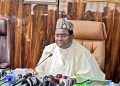
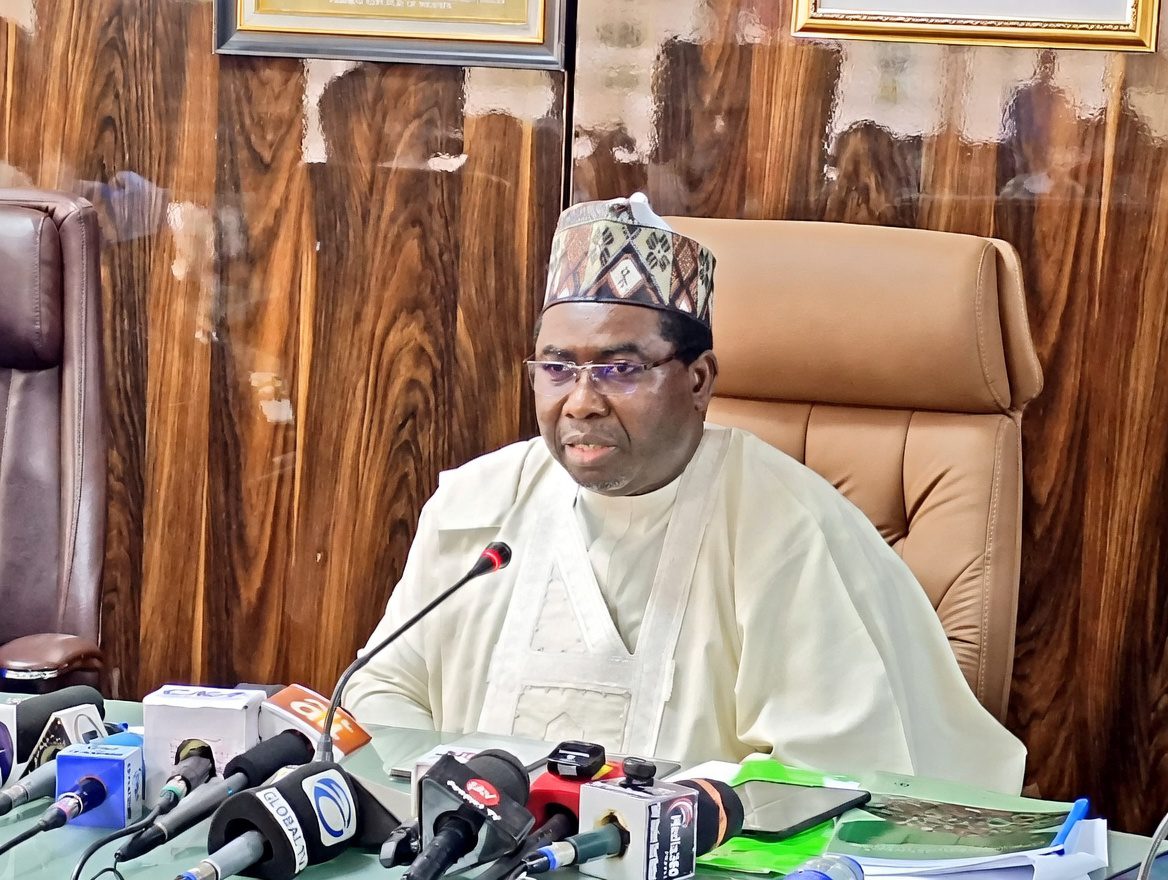
INEC Chairman, Joash Amupitan, gave the assurance on Friday in Abuja while receiving a pre-election fact-finding mission from the Economic Community of West African States (ECOWAS), led by former Sierra Leone Vice-President, Victor Bockarie Foh.
Amupitan maintained that the commission under his leadership would remain politically neutral and guided strictly by the provisions of the law, the wishes of Nigerian voters and the country’s democratic interests.
“INEC under my watch has no candidate and no political party,” he declared.
“Our sole allegiance is to the rule of law, the sovereign will of the Nigerian electorate, and the democratic progress of our nation.”
The INEC chairman said the commission had commenced preparations across the country’s six geopolitical zones to ensure effective planning and coordination ahead of the 2027 general elections.
He disclosed that the electoral exercise would cover 8,809 registration areas and 774 local government areas across the country, requiring extensive logistical arrangements and operational readiness.
Providing an update on the commission’s preparations, Amupitan revealed that Nigeria’s voter register had exceeded 103 million, while INEC had completed nine of the 14 major statutory activities outlined in its revised election timetable.
He also disclosed that three phases of the Continuous Voter Registration (CVR) exercise had been concluded, alongside the nationwide display of the preliminary voters’ register.
According to him, the commission is also strengthening its technological capacity to improve the credibility, transparency and efficiency of the electoral process.
He explained that the Bimodal Voter Accreditation System (BVAS) would be deployed for voter accreditation through fingerprint and facial recognition.
The commission would also utilise electronic result management systems to enhance the handling and transmission of election results.
Amupitan further announced the introduction of the eEC8A electronic verification platform, which is expected to complement existing result management procedures and verification through INEC’s Result Viewing Portal (IReV).
On election security, the INEC chairman said the commission was working closely with relevant security agencies through the Inter-Agency Consultative Committee on Election Security to strengthen security arrangements before, during and after the polls.
He stressed the importance of coordinated efforts among stakeholders to ensure a peaceful electoral environment and safeguard the integrity of the voting process.
Speaking on behalf of the ECOWAS delegation, Foh explained that the mission’s visit was part of efforts to assess Nigeria’s level of preparedness for the 2027 elections and identify areas where the regional organisation could offer technical or institutional support.
He noted that the fact-finding exercise was being conducted in line with the ECOWAS Protocol on Democracy and Good Governance and the regional body’s Conflict Prevention Framework.
The mission’s engagement with INEC forms part of broader regional efforts to encourage democratic stability, strengthen electoral institutions and promote credible elections across West Africa.
The visit also provides an opportunity for ECOWAS to assess the electoral commission’s preparations and understand the challenges that may require regional cooperation ahead of Nigeria’s 2027 general elections.