























By Hadiza Mohammed, Northern Operation
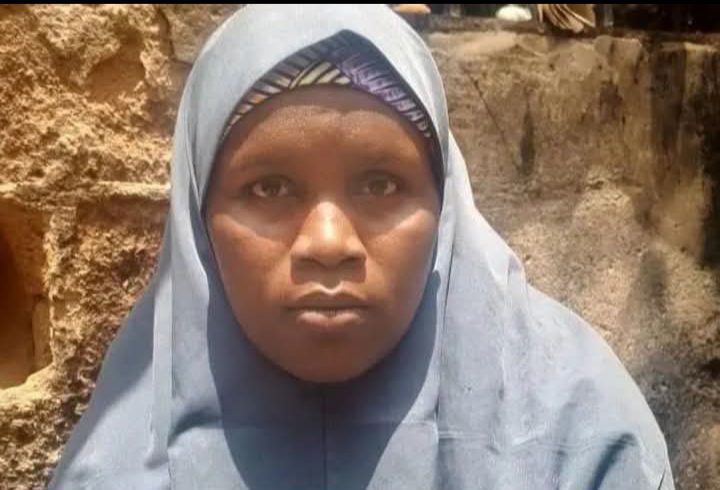
A routine childbirth that should have ended in celebration has instead become the beginning of a painful search for answers for a mother of 10 from Gombe State, who says she left the operating theatre believing she had lost more than just the discomfort of pregnancy.
Barira Alhassan alleges that one of her kidneys disappeared after she underwent a caesarean section at Gombe State Specialist Hospital on April 8, 2026 — a claim the hospital has strongly denied.
Speaking in an emotional interview with BBC Hausa, Barira recounted how she walked into the hospital expecting to return home with her newborn baby, only to find herself battling persistent pain and a mystery that has left her family demanding justice.
“A few days after I had the surgery, I started falling very ill. I was vomiting, my stomach was hurting severely, my body swelled up, and every time I urinated I felt pain,” she said.
Having given birth to 10 children, Barira said the caesarean section was her first major surgery. Confused by the lingering pain, she began asking other women who had undergone similar procedures whether her experience was normal.
The answer she received from a doctor stunned her.
“I was thrown into distress when the doctor told me I have only one kidney. He even asked me whether I had sold it,” she recalled.
“I told him no. Then he started calming me down, saying a person can live with one kidney like anyone else. Later he gave me medicines.”
For Barira, the diagnosis marked the beginning of a journey filled with anxiety, unanswered questions and repeated visits to health authorities.
Her family insists that medical scans carried out years before the surgery showed she had two healthy kidneys. They argue that after the operation, subsequent tests indicated only one remained.
Her brother, Zakariyya Alhassan, said the family sought explanations from the hospital but became more worried after they were reportedly informed that Barira’s medical file could not be located.
“Our father went to the hospital so that he could know what happened, but he was not given any satisfactory explanation,” he said.
“He said what he wanted to know was what happened to his daughter’s kidney that disappeared.”
According to Zakariyya, the missing medical records deepened the family’s suspicion.
“This increased our worry and strengthened our suspicion that something had been done to our sister,” he said.
Frustrated by what they described as a lack of progress, the family petitioned the Gombe State Ministry of Health, requesting an independent investigation.
“Later I wrote a complaint letter seeking justice and an investigation. After that, the ministry invited my sister and her husband as well as the hospital staff, where it asked us not to take the matter public until the investigation was completed,” he said.
Despite the ongoing process, the family says it remains dissatisfied and continues to demand a thorough investigation.
For Barira, the issue goes beyond the missing organ.
“What I want is for a full investigation to be carried out so that it will be revealed how I lost my kidney, and then justice should be done for me,” she said.
The management of Gombe State Specialist Hospital has, however, rejected the allegations in their entirety.
In a statement, the hospital described the claim as “an outright falsehood, baseless and without any convincing evidence, or clinical records and the patient’s records.”
According to the hospital, theatre records show Barira underwent only an emergency caesarean section, with no procedure involving her kidneys.
“Nowhere do the records show that the doctors who performed her surgery touched anything related to her kidneys,” the statement said.
The hospital further disclosed that it funded additional investigations at a Federal Teaching Hospital, where test results reportedly suggested that Barira may have been born with a single kidney rather than losing one during surgery.
Hospital authorities said they had met twice with Barira and her family to explain the findings and review her medical records. They added that they also agreed to the family’s request for another investigation at a private medical facility and are awaiting those results.
While cautioning against what it described as defamatory social media narratives capable of eroding public confidence in healthcare workers, the hospital maintained that no kidney was removed during the caesarean section.
With conflicting accounts and an investigation still unfolding, Barira says she is left carrying not only the joy of welcoming a new child but also the burden of uncertainty over what happened inside the operating theatre.