

















By Hadiza Mohammed, Northern Operation
The Presidency has accused former Vice President Alhaji Atiku Abubakar of making a “desperate” U-turn on fuel subsidy, warning that restoring the regime would bankrupt local refineries, plunge government finances back into crisis, and reverse gains made since May 2023.
Atiku had earlier today unveiled a new petroleum subsidy model that shifts government support from fuel imports to domestic refining.
The ADC presidential candidate said the proposal, contained in his Atiku Economic Recovery Plan, AERP 2027, would target domestic production, cap government spending, and track subsidised crude from allocation to point of sale. The entire process, he added, would be subject to independent audits.
The proposal was contained in a statement issued by his Senior Special Assistant on Public Communication, Phrank Shaibu,
Atiku said the plan was not a return to Nigeria’s former opaque petrol subsidy regime, but a structured intervention to strengthen local refining while ensuring consumers benefit from government support.
“My proposal is not to resurrect the old subsidy regime. We will move subsidy from importation to production, from middlemen to Nigerian refineries, and from unverifiable claims to verifiable barrels,” he said.
However, reacting to the development in a statement on Thursday by Bayo Onanuga, Special Adviser to President Bola Ahmed Tinubu on Information and Strategy, the Tinubu administration said Atiku’s proposal to bring back petrol subsidy was fiscally reckless and incompatible with current petroleum laws and market realities.
“Alhaji Atiku Abubakar has finally revealed his economic plans… and suggested that he would restore the much-abused, wasteful, pillaged, corruption-ridden fuel subsidy regime, which the Petroleum Industry Act made illegal from the end of June, 2023,” Onanuga said.
“Desperate for power, he needed to make a promise that he knew… does not make fiscal sense, is retrogressive, and is against the genuine interest of the people.”
The Presidency dismissed Atiku’s claim of a subsidy “windfall,” saying no such money exists.
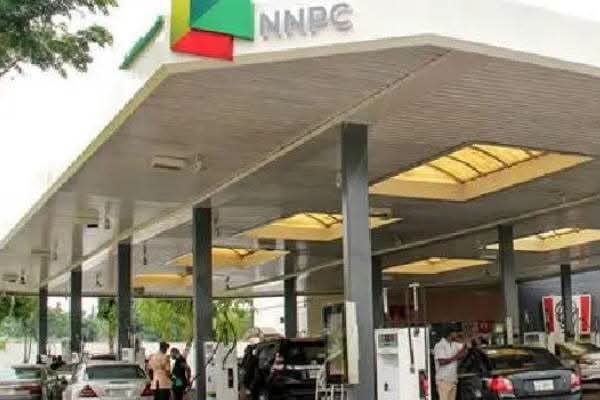
“It is not some money sitting in the treasury to be disbursed to offer cheap fuel to Nigerians. It is the massive discount the NNPC offered… leading to under-recovery of costs and massive losses. Somewhere in the NNPC books are still trillions of Naira in subsidy costs that the Nigerian government has not paid,” the statement read.
“Contrary to Atiku’s claim in his interview, no N30 trillion subsidy windfall or savings exists anywhere except in his imagination.”
Onanuga explained that the subsidy regime was dismantled under the *Petroleum Industry Act, PIA*, which scheduled removal by June 2023. President Tinubu only accelerated it by weeks.
Restoring it now, he said, “would require a clear legal, fiscal and administrative framework, including identifying the source of the funds” under the new market structure.
The Presidency argued that Nigeria’s petroleum landscape has fundamentally changed with the takeoff of domestic refining.
“The Dangote Refinery has become a major source of locally refined petrol. Indeed, the Dangote Refinery would not have kickstarted production for local consumption were the subsidy regime operative,” Onanuga stated.
“Atiku’s proposal portends a reversal of current local production, and it will spell bankruptcy for smaller local refineries like Aradel’s, causing attendant job losses and a loss of foreign exchange.”
He added that Nigeria now exports refined products to Europe, Asia and the US, “restoring national pride,” in contrast to the Obasanjo-Atiku era when refined products import gulped about $10 billion annually.
The statement questioned the funding source for any restored subsidy, noting that selling petrol below its economic cost of about *N1,200 to N1,300* would force government to borrow or cut allocations.
“If the subsidy is restored, who pays for it? What will the new pump price be? N200 or N500?… Ultimately, that cost falls on the public finances—through reduced funds for infrastructure and social services, reduced allocation to states and 774 local councils, increased borrowing, higher public debt.”
Onanuga said the N15 trillion saved from subsidy removal has boosted federation allocations. “In July, the three tiers shared about N3 trillion, a record, from the federation account… Now all states are fiscally stable and can pay salaries regularly and embark on infrastructure projects.”
He noted that Nigeria is moving from importing refined fuel to processing crude locally in Naira, which conserves FX and creates jobs.
While acknowledging hardship from higher energy costs, the Presidency said sustainable relief lies in CNG and competition, not subsidy.
“The Tinubu administration… has been encouraging the use of Compressed Natural Gas, 70 per cent cheaper than petrol, to power taxis, cars and distribution trucks. Even Dangote and BUA have CNG trucks in their fleet.”
It challenged Atiku to provide details: “How much will the programme cost annually? What revenue source will finance it? Will the government borrow to fund it? Will the National Assembly be asked to amend existing PIA legislation?”
“We urge all political actors, including Alhaji Atiku Abubakar, to present Nigerians with the full fiscal and legal implications of any proposal to restore fuel subsidy,” Onanuga concluded.