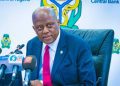























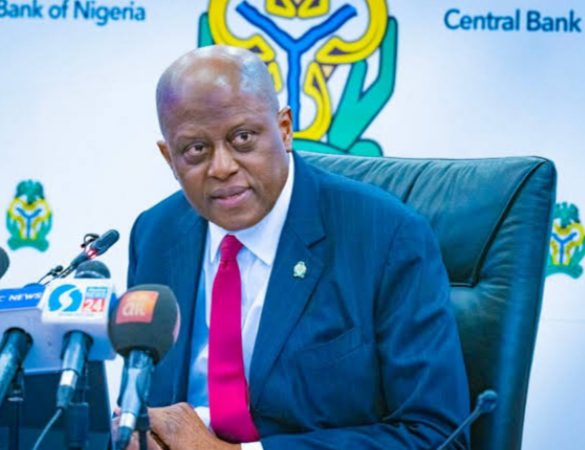
The Socio-Economic Rights and Accountability Project (SERAP) has given the Governor of the Central Bank of Nigeria (CBN), Olayemi Cardoso, and the apex bank seven days to account for $6.23 million in alleged election-funding expenditure and more than N1.63 trillion in other public funds.
SERAP said it would take appropriate legal action if the CBN fails to provide satisfactory explanations for the funds.
The allegations are contained in Volume II of the Auditor-General of the Federation’s 2023 Annual Report, published on August 7, 2026. According to the report, the findings cover various transactions and activities between January and December 2023.
The funds identified by SERAP include more than N1.25 trillion in unrecovered CBN intervention loans to state governments, N116.18 billion in unrecovered loans to distressed and liquidated banks, N262.86 billion disbursed under the Anchor Borrowers’ Programme, and $6.23 million reportedly spent following a purported request for election funding by former President Muhammadu Buhari.
SERAP called on Cardoso and the CBN to disclose details of the beneficiaries of the intervention loans to state governments and distressed banks, the amounts disbursed, and steps taken to recover the funds.
The organisation also demanded details of the N262.86 billion released under the Anchor Borrowers’ Programme, including the number and names of beneficiaries and participating “Anchors,” amounts disbursed, utilisation of the funds, monitoring arrangements and recovery measures.
On the $6.23 million election-related expenditure, SERAP urged the CBN to publish the findings of its internal investigation into the alleged fraud, as well as details of any measures taken to recover the funds and establish responsibility.
SERAP said the accountability of public institutions, including the CBN, was a crucial pillar of Nigeria’s constitutional democracy.
It added that the scale and nature of the Auditor-General’s findings required “urgent, independent and transparent action,” arguing that they raised questions about the custody, expenditure, accounting, safeguarding and recovery of public resources.
According to SERAP, the findings also raise concerns about possible violations of the 1999 Constitution, as amended, national anti-corruption laws and Nigeria’s obligations under the United Nations Convention against Corruption.
The CBN has yet to publicly respond to SERAP’s demands in the information provided.