




















Israel is confronting one of the most sustained and coordinated Iranian assaults in its history, as waves of missiles and drones continue to pound key urban centres in an escalating conflict that is rapidly reshaping the Middle East’s security landscape.
Local media reports indicate that the latest barrage marks the largest continuous offensive launched by Iran since the outbreak of the 2026 war, raising fears of a prolonged siege and deepening humanitarian concerns across Israeli cities.
The conflict, which began on February 28, 2026, was triggered by a joint military operation by the United States and Israel targeting Iranian positions, setting off a chain reaction that has since spiralled into a multi-front war. The confrontation now involves not only Tehran and Tel Aviv, but also Washington and a network of allied non-state actors operating across the region.
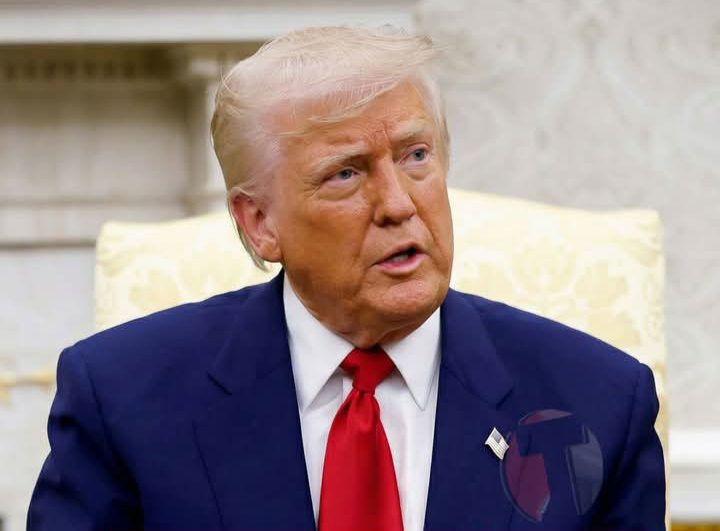
Tensions further escalated on Wednesday as Iran’s powerful military wing, the Islamic Revolutionary Guard Corps (IRGC), dismissed claims by Donald Trump regarding the possible reopening of the Strait of Hormuz, a vital global oil transit route.
In a strongly worded statement, the IRGC insisted that the strategic waterway remains firmly under Iranian control and would not be influenced by what it described as “ridiculous displays” from Washington.
The group underscored its dominance over the strait, signalling that any attempt to force its reopening would be resisted.
Trump had earlier claimed that Iran’s leadership was seeking a ceasefire, suggesting that any U.S. consideration of de-escalation would hinge on restoring free passage through the Strait of Hormuz. Writing on his Truth Social platform, he warned that failure to comply could result in overwhelming military retaliation against Iran.
“Iran’s new leadership has asked for a ceasefire. We will consider it when the Strait is open and secure. Until then, we are prepared to take decisive action,” Trump said, in remarks that have drawn global attention and concern.
However, Iran’s President, Masoud Pezeshkian, struck a more measured tone, indicating Tehran’s conditional openness to ending the conflict.
Speaking during a phone call with António Costa, he stressed that any ceasefire must include firm guarantees to prevent future military actions against Iran.
“We are willing to end this conflict, but only under conditions that ensure such aggression is not repeated,” Pezeshkian stated, highlighting Tehran’s insistence on long-term security assurances.
The sharp divergence between Washington and Tehran over ceasefire terms and control of the Strait of Hormuz underscores the widening diplomatic rift complicating efforts to de-escalate the crisis. The waterway, a critical artery for global energy supplies, has become a central bargaining chip in the unfolding standoff.
Adding another layer of uncertainty, Trump has threatened to withdraw the United States from the North Atlantic Treaty Organization (NATO), intensifying concerns among Western allies.
He described the alliance as ineffective after member states declined to support U.S. calls for a broader military coalition to counter Iran and secure the Strait of Hormuz.
In an interview with The Telegraph, Trump said a U.S. exit from NATO was now “beyond reconsideration,” signalling a potential rupture in transatlantic relations at a time of heightened global instability.
As missile sirens continue to sound across Israel and diplomatic tensions mount, analysts warn that the conflict risks expanding further, with potentially severe consequences for regional stability, international alliances, and the global energy market.
With no immediate breakthrough in sight, the war appears poised to enter an even more dangerous phase—one that could redefine power dynamics in the Middle East and test the resilience of longstanding global partnerships.