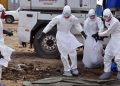





















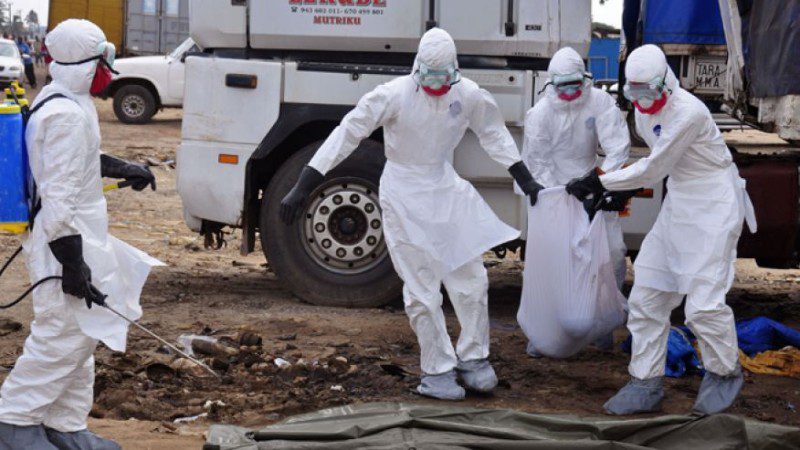
The Nigeria Centre for Disease Control and Prevention (NCDC) has identified two additional suspected cases of Ebola virus disease and 53 primary contacts linked to the country’s confirmed case in the Federal Capital Territory (FCT), raising concerns over the potential spread of the infection.
The Director-General of the NCDC, Jide Idris, disclosed this at a press briefing in Abuja on Sunday, as health authorities intensified surveillance, contact tracing and infection prevention measures to contain the disease.
The development follows the confirmation of Ebola in a female diplomat who travelled from Uganda to Abuja on October 3 through Addis Ababa, Ethiopia, according to the agency.
The patient reportedly developed malaria-like symptoms on October 7 and sought medical attention at a private hospital in the FCT on October 11. She was treated for several days before health workers suspected Ebola and initiated further investigations.
Samples collected from the patient were tested on October 19, with the infection confirmed on Tuesday, October 20.
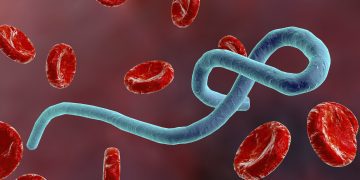
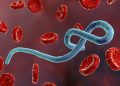
Laboratory analyses conducted by the NCDC’s public health laboratory, in collaboration with the World Health Organisation (WHO), identified the virus as the Bundibugyo strain of Ebola, the same strain associated with a major outbreak in the Democratic Republic of Congo (DRC).
The NCDC said three levels of molecular testing were conducted to establish the strain responsible for the infection. The Bundibugyo strain currently has no approved vaccine or specific treatment.
Earlier, Olajumoke Babatunde, Director of Public Health Laboratory Services at the NCDC, disclosed during an emergency meeting on Wednesday that the patient’s condition had deteriorated to multi-organ failure. She said the diplomat remained in isolation.
Following the initial confirmation, health authorities identified 44 close contacts, including healthcare workers, patients, caregivers, travel contacts and the patient’s husband.
The latest identification of 53 primary contacts brings the total number of people reported as primary contacts to 53, although the NCDC’s briefing did not clarify whether the figure represents an updated count or includes additional contacts identified through ongoing investigations.
Authorities have stepped up contact tracing and surveillance while strengthening infection prevention and control measures at the hospital where the patient received treatment.
The response comes amid a wider Ebola outbreak in the DRC, which, according to the figures cited in the outbreak report, has recorded more than 9,000 confirmed cases and over 4,600 deaths. The outbreak, declared in mid-May, has also raised concerns about cross-border transmission, with Uganda and Kenya among the countries identified as affected.
The Africa Centres for Disease Control and Prevention (Africa CDC) has warned that the outbreak poses “an extremely serious threat”, underscoring the importance of regional surveillance and coordinated public health measures.
With two additional suspected cases now identified in Nigeria, health authorities face the critical task of determining whether the infections are linked to the confirmed case and preventing further transmission while laboratory investigations and contact tracing continue.