























An 11-year-old Canadian boy has died from rabies after being exposed to a bat while on a family vacation, highlighting the deadly consequences of untreated rabies exposure.
The tragic incident occurred during a visit to a cottage in Ontario in 2024, according to a case report published on Monday in the Canadian Medical Association Journal.
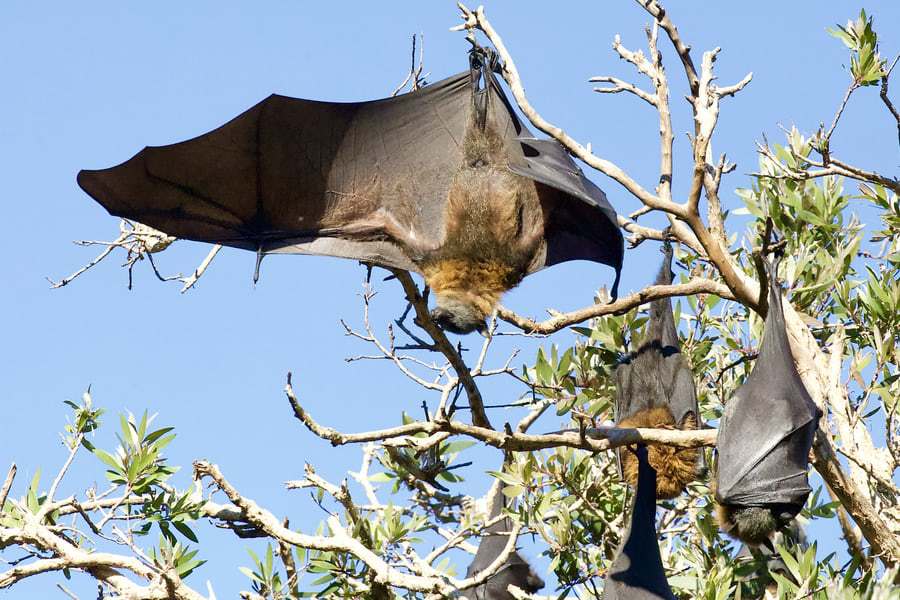
The report said the boy woke up to find a bat on his nose and mouth. He swatted the animal away, while his father later caught it in a pot and released it outside. Because the child had no visible bite marks or scratches and the bat did not appear to be behaving unusually, his parents did not seek immediate medical attention.
Nineteen days later, the boy began experiencing facial numbness and swelling. He was taken to an emergency clinic, where doctors initially suspected Bell’s palsy and prescribed antiviral medication commonly used to treat herpes virus infections.
As his condition worsened, he made two consecutive visits to hospital.
Physicians first diagnosed him with herpes gingivostomatitis, a viral infection affecting the mouth and gums. However, after the right side of his face became weak, he returned to hospital, where his health rapidly deteriorated.
While awaiting admission, the boy developed a high fever of 39°C (102°F), difficulty swallowing, confusion and visual hallucinations. He was intubated and admitted to the pediatric intensive care unit.
Specialists from the University of Manitoba’s Department of Pediatrics and Child Health suspected rabies, a diagnosis later confirmed through laboratory testing. The Canadian Food Inspection Agency identified a bat rabies virus variant as the source of the infection.
Despite intensive medical care, the boy died 17 days after being admitted to hospital.
Doctors noted that the child had no history of allergies, tick bites, recent travel outside Canada or contact with sick individuals.
The case underscores the importance of seeking immediate medical care after any direct contact with a bat, even when no visible bite or scratch is present. Health experts stress that rabies post-exposure prophylaxis can prevent the disease if administered promptly after exposure.
Rabies remains rare in Canada, with only 28 human deaths recorded since 1924, according to the Canadian Veterinary Medical Association. The association attributes the low number of cases to widespread vaccination programs but warns that the disease is almost always fatal once symptoms begin to develop.