





















The arrest of 18-year-old social media user Kingsley Akunemeihe over a viral post about Tony Elumelu has sparked mixed reactions online, with several X (formerly Twitter) users alleging that the teenager has a history of spreading false information.
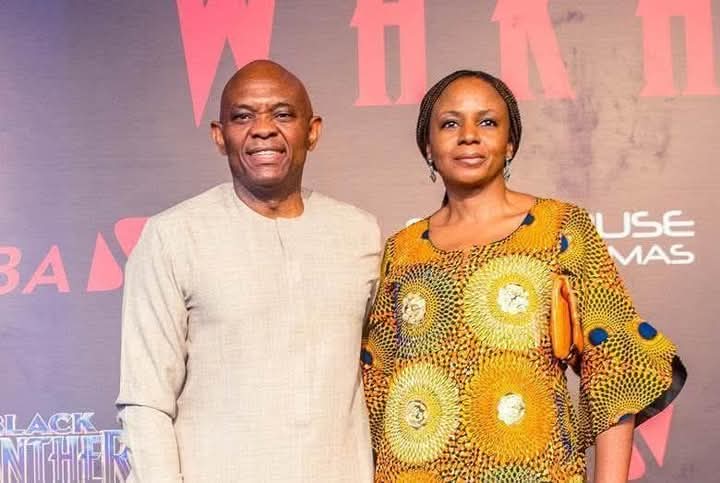
Kingsley’s arrest followed a post in which he shared a claim that the prominent businessman had divorced his wife, Awele Elumelu. The allegation was later debunked by United Bank for Africa (UBA), which described the publication as false, malicious, and defamatory.
Consequently, Kingsley was tracked, traced and subsequently detained by the police after arrest
However, in response, Kingsley’s sister, Ngozi Akunemeihe, released an emotional video appealing to Elumelu for forgiveness. She explained that her brother, who had just written his JAMB examination, reposted the claim without verifying its authenticity.
According to her, he deleted the post and issued a public apology after being informed it was false. Despite this, he was arrested shortly after and has remained in detention for over a week.
“I am begging you sir, please forgive him. He is just 18… he acted out of ignorance and has apologized,” she pleaded.
While some Nigerians have sympathised with the teenager, others on X have pointed to past posts allegedly made by him, suggesting a pattern of sharing unverified and misleading claims.
Screenshots circulating online show that the handle @Lopperkem, linked to Kingsley, previously posted false claims about celebrities. In one instance, he allegedly claimed that singer Kizz Daniel had lost his twin sons, prompting concern before the claim was dismissed. Another post suggested that Skales had been arrested by the EFCC over fraud allegations—also untrue.
In a separate tweet, he reportedly alleged that the EFCC had placed a bounty on popular skit maker Sabinus, a claim that likewise lacked any factual basis.
These resurfaced posts have led many social media users to describe the teenager as a “serial spreader of falsehoods,” arguing that his actions go beyond a one-time mistake.
Meanwhile, UBA reiterated that individuals involved in the creation and spread of the defamatory content had been apprehended, emphasizing the seriousness of misinformation and its potential consequences.
The situation continues to generate debate around accountability, freedom of expression, and the responsibilities of social media users in verifying information before sharing.