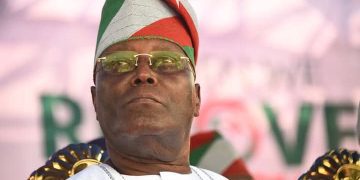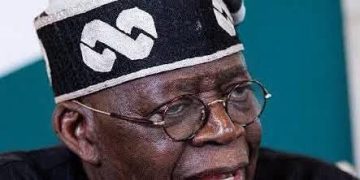























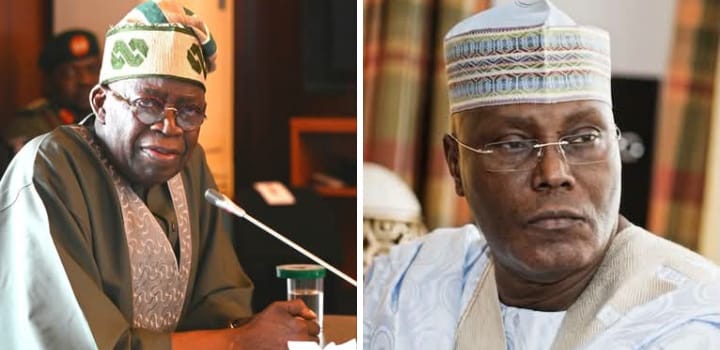
The Presidency has dismissed former Vice President Atiku Abubakar’s criticism of President Bola Tinubu’s economic policies, describing his assessment as outdated, misleading and disconnected from Nigeria’s current economic realities.
In a statement titled “Facts, Not Fear: A Point-by-Point Response to Atiku Abubakar on Nigeria’s Reform Journey,” Special Adviser to the President on Information and Strategy, Bayo Onanuga, argued that Atiku’s criticisms were based largely on the 2024 fiscal year and failed to reflect developments recorded since then.
Responding to allegations of excessive borrowing, fiscal recklessness, flawed tax policies and alleged unaccounted oil windfall revenues, the Presidency maintained that the Tinubu administration’s reforms were designed to address longstanding structural distortions in the economy.
According to Onanuga, Nigeria’s economy has rebounded significantly since the initial impact of the administration’s exchange-rate reforms, with dollar-denominated GDP rising from about $253 billion after the 2024 currency adjustment to approximately $377 billion, while naira GDP increased from about ₦314 trillion to ₦530 trillion.
The Presidency also defended the government’s borrowing strategy, insisting that Nigeria’s debt profile remains sustainable, with a debt-to-GDP ratio of about 40 per cent, lower than several emerging and advanced economies. It added that the debt service-to-revenue ratio had declined from nearly 100 per cent in December 2022 to below 60 per cent, attributing the improvement to stronger revenue mobilisation and prudent debt management.
On fuel subsidy removal, Onanuga said the policy had significantly boosted allocations to states and local governments, providing greater fiscal space for investments in infrastructure, healthcare, education and social services. He argued that the reform strengthened fiscal federalism by empowering subnational governments with increased resources.
The Presidency also rejected Atiku’s criticism of ongoing tax reforms, saying the measures were aimed at expanding the tax base while protecting low-income earners and small businesses. It maintained that individuals earning ₦1 million annually or less, as well as businesses with annual turnover below ₦100 million, would benefit from the reforms.
Highlighting achievements in the social sector, the statement said more than 3,000 primary healthcare centres had been upgraded, over 78,000 frontline health workers retrained, and three cancer centres established in Kubwa, Enugu and Katsina. It added that more than 100 public health facilities now provide free caesarean sections for eligible indigent women.
In education, the Presidency said over 11,000 projects had been executed through the Universal Basic Education Commission, while the Nigerian Education Loan Fund (NELFUND) had supported more than 1.64 million students with loans valued at over ₦303 billion across about 300 tertiary institutions.
The statement further dismissed claims of a ₦7.98 trillion oil revenue windfall, arguing that such calculations ignored lower-than-projected crude oil production, production costs, revenue-sharing arrangements with oil companies and crude-backed loan obligations.
While acknowledging that the reforms had imposed short-term hardships, the Presidency insisted they were necessary to reposition the economy for long-term growth and macroeconomic stability.
Onanuga said the Federal Government had introduced intervention programmes, including the NG-CARES, HOPE and SOLID initiatives, alongside cash transfers to 15 million vulnerable households, to cushion the effects of the reforms.
He concluded that the Tinubu administration remained committed to implementing structural reforms aimed at strengthening public finances, expanding economic opportunities and improving living standards, urging critics to assess the government’s performance based on measurable outcomes rather than “isolated episodes” or political rhetoric.