




















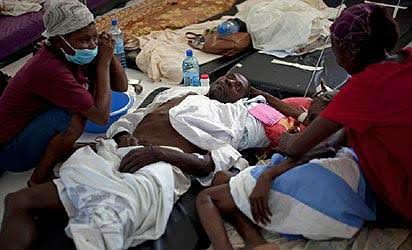
A cholera outbreak has killed at least 37 people and infected more than 3,000 others across seven Local Government Areas of Borno State within May, health authorities have confirmed.
The outbreak, which was first reported on May 1 and officially confirmed three days later, has spread rapidly across 36 wards and more than 138 communities, triggering concerns among public health officials over its growing impact.
Speaking on the situation, Dr. Saleh Abba Kaza, a public health expert and former Borno State Commissioner for Health, described the outbreak as critical, revealing that over 100 new cases were recorded within the last 24 hours alone.
According to Kaza, the worst-hit area is Maiduguri Metropolitan Council (MMC), which accounts for more than 2,000 infections. The neighbouring Jere Local Government Area has recorded over 1,000 cases, while Mafa, Konduga, Monguno, Ngala and Magumeri LGAs have also reported infections.
He noted that the outbreak has produced a case fatality rate of about one per cent, placing enormous strain on healthcare facilities and emergency response efforts across the state.
Kaza linked the spread of the disease to poor sanitation, contaminated water sources and widespread open defecation, warning that the rainy season could accelerate transmission by washing contaminated waste into homes and communities.
“The current situation has overwhelmed our health infrastructure, and immediate collective action is essential to combat the spread of this illness,” he said.
Health authorities have urged residents to strictly observe Water, Sanitation and Hygiene (WASH) measures, including treating drinking water, maintaining proper waste disposal, washing hands regularly and ensuring safe food handling.
Residents experiencing symptoms such as severe vomiting and watery diarrhoea have been advised to seek immediate medical attention at recognised health facilities and avoid treatment from unqualified persons.
Meanwhile, the Borno State Ministry of Health is working to deploy cholera vaccines in affected communities. However, officials emphasised that vaccination must be complemented by improved hygiene and sanitation practices to effectively contain the outbreak.