





















Iyabo Obasanjo has the pedigree, capacity, exposure and intellectual strength to deliver that level of representation. She is not merely another option, she is the best choice for Ogun Central. The time has come to send competence, experience and purposeful leadership back to the Senate
By Dayo Olufemi
The article by Comrade Olamide David is an interesting attempt to discredit Senator Iyabo Obasanjo, but beneath its lengthy narration of old political disagreements lies a fundamental problem, the deliberate effort to turn a woman’s courage, independence of thought and political experience into liabilities simply because she has not always agreed with powerful individuals.
The writer wants Ogun Central to see Iyabo through the lens of old disagreements, political differences and controversies, but conveniently avoids the more important question of what Senator Iyabo Obasanjo is bringing to the table today and why should Ogun Central disregard the wealth of experience she has accumulated over the years?
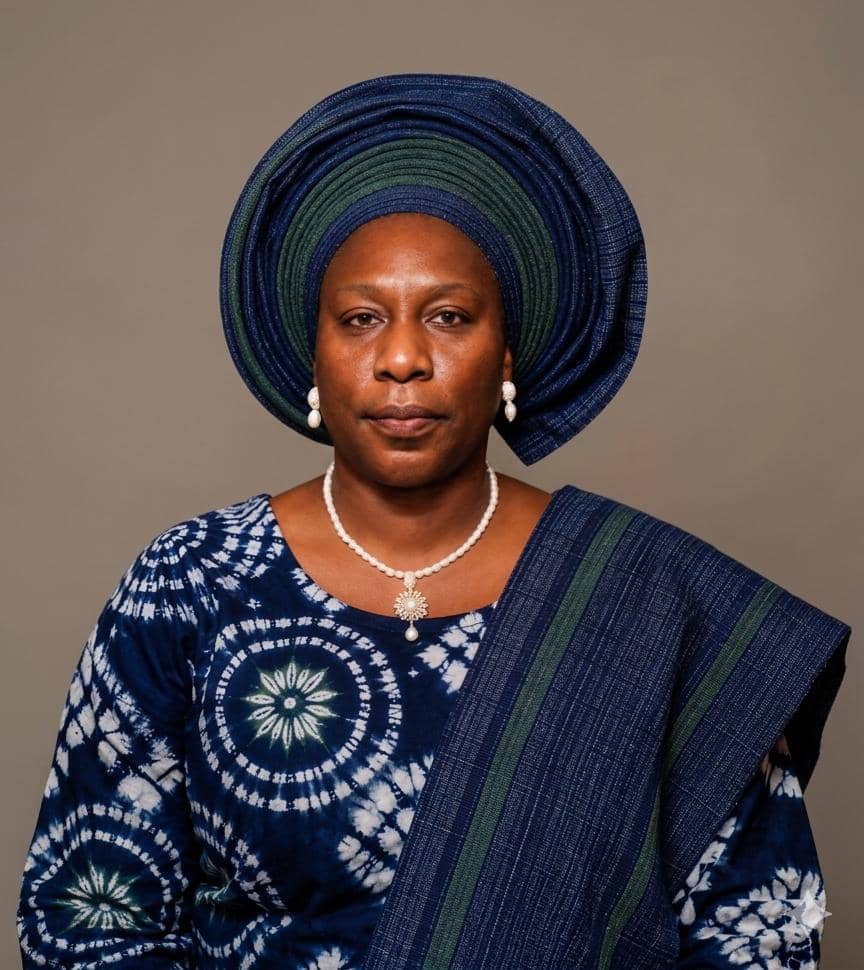
Let us be clear, Senator Iyabo Obasanjo is not a political novice seeking relevance. She is an accomplished academic, a trained veterinary doctor, a former commissioner and a former senator. She understands public administration, government institutions, legislative processes and the complexities of public policy. She has occupied positions of responsibility, experienced the workings of government and acquired exposure that cannot be manufactured overnight.
More importantly, she has grown. She is older, more experienced, better exposed and considerably more knowledgeable than the woman her critics keep dragging into their arguments. Years of professional engagement, intellectual development and life experiences bring perspective. Maturity teaches lessons that political office alone cannot provide. Why should Ogun Central be denied the benefit of such accumulated experience simply because some people would rather keep her trapped in the politics of yesterday?
The writer describes her political disagreements as a recurring pattern of confrontation. But is disagreement with political authorities automatically evidence of poor leadership? Must a politician surrender personal conviction to remain in the good books of a governor, party leader or political benefactor? Is the ideal senator one who never disagrees with anybody in power, even when the interests of the people demand otherwise?
That argument is particularly dangerous for democracy. Representation is not servitude. A senator is elected to represent constituents, exercise legislative judgement, scrutinise government policies and defend the public interest. Party affiliation may facilitate cooperation, but it must never become a condition for silence. A representative who cannot disagree with government when necessary is not necessarily an effective representative.
The writer’s central argument that Ogun Central needs a senator who enjoys access to the governor is equally questionable. Access is useful, certainly, but it is not the ultimate measure of legislative performance. If party synergy alone guarantees development, why do communities in many ruling-party constituencies continue to suffer poor roads, inadequate healthcare, unemployment and failing public infrastructure? Being close to the government is one thing; knowing how to use legislative authority, influence national policy, secure federal intervention and hold institutions accountable is another.
We should not confuse political proximity with competence. Nor should we mistake a senator’s relationship with the governor for the delivery of democracy’s dividends.
The attempt to compare Iyabo’s past with the present senator’s professional credentials also misses the point. A competition for public office should be about the totality of what each candidate offers. Senator Salisu’s professional background may be acknowledged, but it does not cancel Iyabo’s own qualifications, experience and capacity. One person’s achievements do not automatically invalidate another person’s potential. If the incumbent has performed, let the people examine the evidence. But performance must be subjected to the same scrutiny as criticism.
On the allegations and controversies raised in the article, serious matters should be discussed with verifiable facts, proper context and fairness. Political commentary should not turn allegations into established findings or use insinuations as substitutes for evidence. Equally, old political disagreements should not become permanent convictions against anyone seeking public office.
There is also a troubling contradiction in the article. It criticises Iyabo for having disagreements with political authorities, yet seems to celebrate political access and party loyalty as the highest qualifications for representation. Since when did independent thinking become a political offence? Since when did a senator’s value become dependent on how comfortably he or she relates with the governor?
At a time when Ogun Central needs stronger, more effective and purposeful representation, her wealth of knowledge and experience is exactly the kind of asset the district should embrace. She is not coming to learn the business of representation, she is coming prepared to make a difference
Perhaps the more important question is why there is such an elaborate effort to discredit Iyabo Obasanjo rather than engage her on the future of Ogun Central. What is so threatening about her return that her opponents must reach back several years to assemble a catalogue of disagreements? Why is there more energy devoted to questioning her personality than examining the quality of representation the district currently enjoys?
Could it be that her education, experience, exposure and capacity present a serious challenge to those who would prefer the contest to be decided by political connections rather than competence?
Ogun Central is not looking for a senator whose greatest achievement is being politically comfortable with the government. The district needs someone who can bring intellectual depth to legislative debates, understand the national development agenda, interrogate policies, influence legislation, attract federal opportunities and defend the interests of the people. It needs a representative who can engage confidently with institutions, policymakers and national stakeholders.
Iyabo Obasanjo brings a valuable combination of academic distinction, administrative experience, legislative familiarity and international exposure. These are not insignificant credentials. They are assets that can be deployed for the benefit of Ogun Central.
Her return should therefore be seen as an opportunity to raise the quality of representation, not a threat to be neutralised through personal attacks.
And to those who insist on defining her by her past, the answer is simple: people evolve. Experience changes perspectives. Knowledge deepens with exposure. Maturity brings a better appreciation of leadership and responsibility. It is intellectually dishonest to acknowledge none of these possibilities while insisting that a person must remain permanently defined by events from years ago.
The National Assembly is not a place for political decoration. It requires people with the capacity to think, question, negotiate, legislate and make meaningful contributions to national development. Ogun Central should be interested in the quality of mind and experience it sends to the Senate, not merely the political comfort of its representative.
Iyabo Obasanjo should not be judged by the people she has disagreed with, but by the capacity, experience and value she can bring to the people of Ogun Central today.
The real contest should be about ideas, competence, legislative capacity and the future of our district. Those who believe in the incumbent should present his record and defend it. But they should stop pretending that discrediting Iyabo is the same thing as proving that she is unqualified.
Ogun Central deserves a senator who can bring more than political access to the table. It deserves knowledge, experience, courage, independent judgement and the ability to command respect in national conversations.
Iyabo Obasanjo is not returning to the National Assembly to occupy a seat, collect allowances and become another passive voice in the chambers. She is returning with experience, exposure, intellectual depth and a better understanding of governance, backed by years of professional and public service experience. She knows what it means to serve, understands the workings of government and has the courage to question, challenge and demand accountability.
At a time when Ogun Central needs stronger, more effective and purposeful representation, her wealth of knowledge and experience is exactly the kind of asset the district should embrace. She is not coming to learn the business of representation, she is coming prepared to make a difference.
Those who have failed to maximise the opportunities of legislative representation should not mistake their own limitations for the standard by which others must be judged. Ogun Central deserves more than a senator who merely occupies a seat, it deserves a voice that commands attention, contributes meaningfully to national debates, influences policies, attracts opportunities and consistently defends the interests of the people.
Iyabo Obasanjo has the pedigree, capacity, exposure and intellectual strength to deliver that level of representation. She is not merely another option, she is the best choice for Ogun Central. The time has come to send competence, experience and purposeful leadership back to the Senate.
Iyabo Obasanjo is a formidable asset. Her experience is not a burden, her independence is not a weakness and her return is not something Ogun Central should be frightened of. It is an opportunity the district should seriously consider.
•Dayo Olufemi writes from Abeokuta South local government
•Opinions, positions or thoughts expressed here are personal and strictly those of the writer/author and do not represent the views of The Daily Crucible.