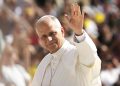















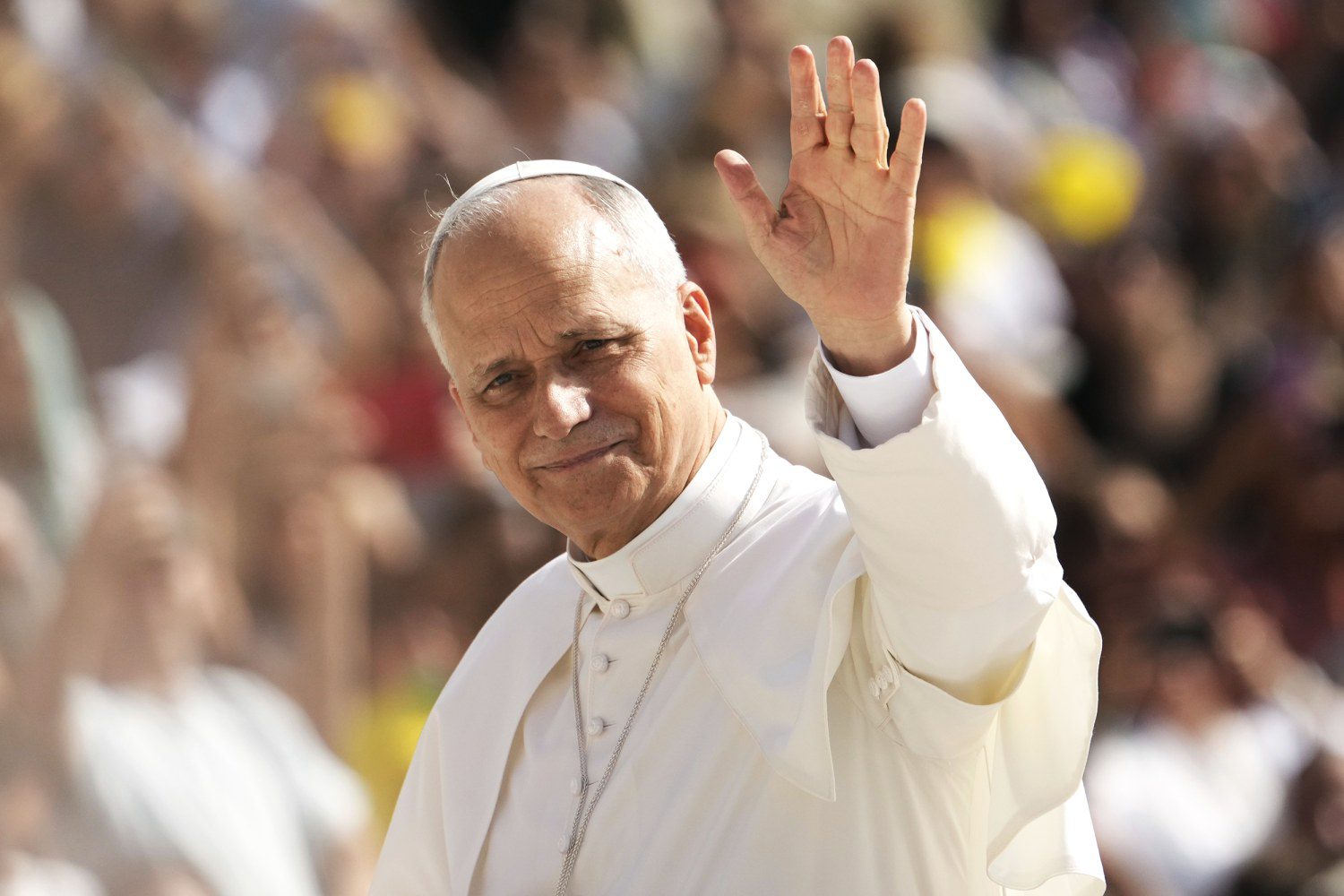
Pope Leo XIV has undergone a 90-minute operation to remove a cancerous growth from his right lung, with the Vatican confirming that the surgery was successful and that the pontiff woke up normally after the procedure.
The 71-year-old leader of the Catholic Church underwent surgery on Tuesday after medical examinations detected a lung nodule suspected to be cancerous.
According to a Vatican statement, the operation confirmed a diagnosis of pulmonary adenocarcinoma, a type of lung cancer. Surgeons removed the lower lobe of his right lung to ensure the growth was completely excised.
“The surgery was successful and there were no complications,” the Vatican said.
A Vatican source disclosed that further tests were being conducted to determine whether the cancer had spread beyond the affected area.
Although the operation lasted approximately 90 minutes, Pope Leo spent about three hours in the operating room. A Vatican source also reported that the pontiff requested dinner after the procedure, suggesting that he was awake following the operation.
The Vatican said the pope would remain at Rome’s Gemelli Hospital for several days to recover under medical supervision.
Pope Leo XIV Cancels Audiences Amid Recovery
Following the operation, the Vatican cancelled the pope’s scheduled audiences until October 20 to allow him time to recuperate.
The development has also raised questions about whether Pope Leo will proceed with his planned visit to South America from November 6 to 17, during which he is scheduled to travel to Uruguay, Argentina and Peru.
The Vatican has yet to clarify whether the pontiff’s recovery will affect the planned trip.
The hospitalisation marks Pope Leo’s first stay in hospital since he became head of the Catholic Church on May 8, 2025.
On Sunday, the pope disclosed the discovery of a lung nodule during his Angelus address in St Peter’s Square, explaining that doctors had identified the growth at an early stage and recommended surgery.
The Vatican subsequently confirmed that the nodule was discovered during routine medical examinations and that the pope had not experienced symptoms that prompted the investigation.
Vatican Confirms Pulmonary Adenocarcinoma Diagnosis
The diagnosis of pulmonary adenocarcinoma has drawn attention to the pope’s health and the implications of his recovery for the leadership of the Catholic Church.
Pulmonary adenocarcinoma is a form of lung cancer that develops in glandular cells of the lung. Further medical tests are expected to establish whether the disease is confined to the removed tissue or has spread elsewhere.
Pope Leo, born in Chicago, became the first American to lead the Catholic Church following his election in May 2025.
Before the operation, Vatican Secretary of State Cardinal Pietro Parolin told Italian news agency ANSA that the pope had remained calm about his medical condition when they met on Monday.
The Vatican has historically maintained a degree of secrecy surrounding the health of pontiffs, although public communication about papal medical conditions became more open during the final years of Pope Francis’s papacy.
Catholics Pray for Pope Leo’s Recovery
News of the operation prompted concern among Catholics and members of the public gathered outside Gemelli Hospital in Rome.
Some expressed relief that the growth had been detected during routine medical checks, while others offered prayers for the pope’s recovery.
Giorgia Fei, a 57-year-old Italian, said she had been worried about the pontiff but expressed confidence in the hospital’s medical team.
Giuseppe Purpura, 72, also voiced concern, saying he had not expected the pope to face such a serious health challenge.
Inside the hospital chapel, Cardinal Baldassare Reina, Vicar General for the Diocese of Rome, led a rosary prayer for the pontiff. The Vatican broadcast the service, while Reina called on parishes across Rome to join in prayers for the pope.
The pope’s health has also raised questions about how the Catholic Church would operate if a pontiff became unable to carry out his duties for an extended period.
Under established Church procedures, the Cardinal Camerlengo assumes specific administrative responsibilities following a pope’s death. However, the Church does not have a permanent deputy who automatically replaces a living pope who becomes incapacitated.
For now, attention remains focused on Pope Leo’s recovery, the results of further medical tests and whether he will be able to maintain his scheduled international engagements.
The Vatican has confirmed that the surgery was successful, but the extent of the disease and the timeline for the pope’s full recovery remain dependent on further medical assessment.