
























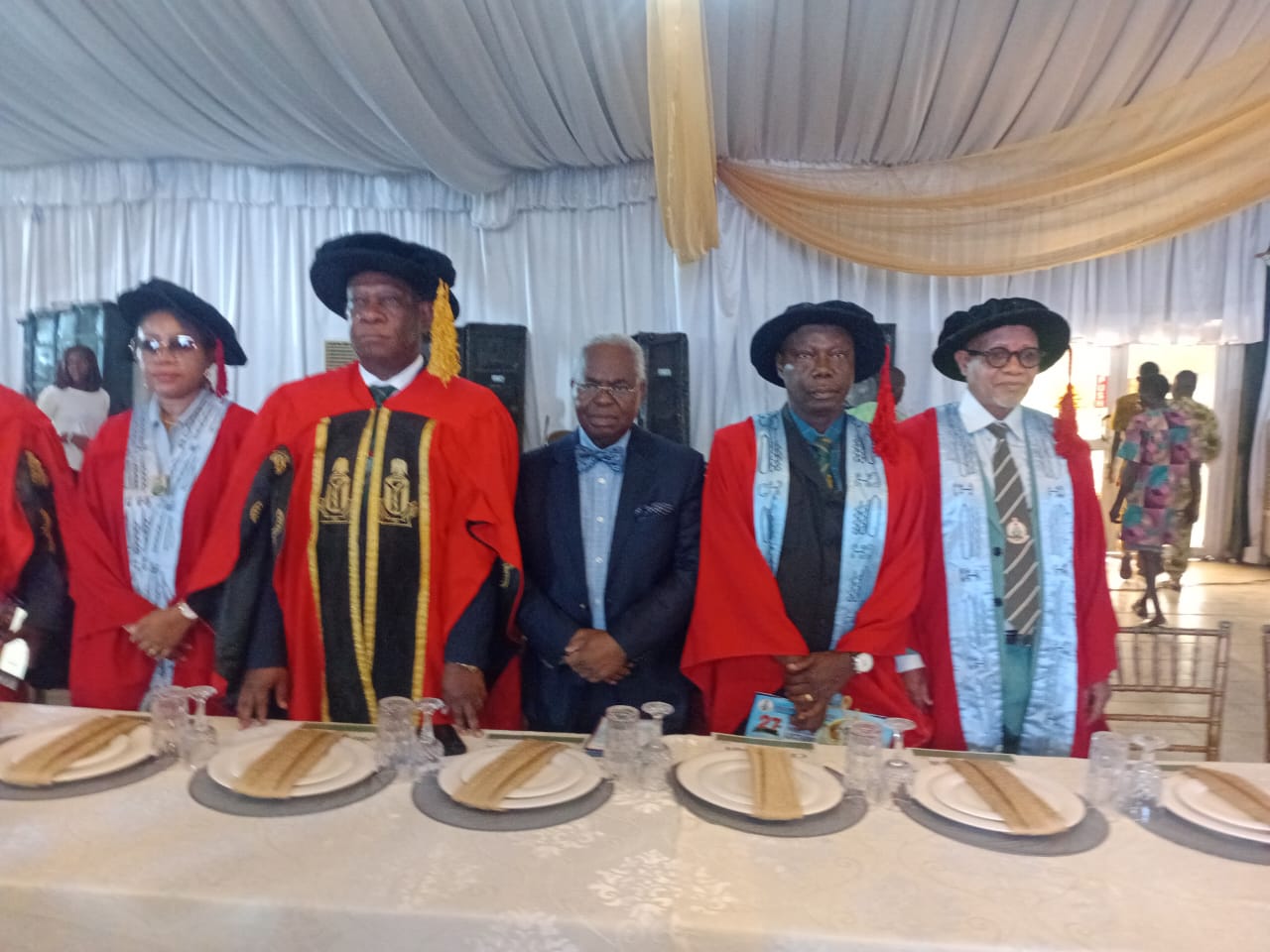
The Chairman of the Board of Management of the Olabisi Onabanjo University Teaching Hospital (OOUTH) and Chief Medical Director of Eye Foundation Hospital Group, Otunba Adekunle Hassan, has called for the upgrade of the National Postgraduate Medical College of Nigeria (NPMCN) to international standards to boost specialist medical training and attract global partnerships.
Hassan made the call on Thursday while delivering the chairman’s address at the 27th Annual Faculty Lecture of the College, titled “Ophthalmology Residency Training in Nigeria: NPMCN and Residents’ Perspectives,” delivered by the Immediate Past Chairman of the Faculty of Ophthalmology, Dr. Haroon Ajibode.
He said repositioning the College to meet global best practices would enable it to attract international funding, forge strategic partnerships with leading institutions across the world and attain a status comparable to the Royal College of Physicians in the United Kingdom.
The OOUTH board chairman also expressed concern over what he described as a “premeditated assault” on the medical profession by politicians, warning that sustained political interference could undermine the integrity and effectiveness of Nigeria’s healthcare system.
He urged medical professionals and other stakeholders to remain united in safeguarding the independence and credibility of the profession.
Addressing young ophthalmologists, Hassan challenged them to embrace leadership and become agents of change rather than dwelling on past failures.
“Stop blaming past leaders, challenge the status quo and save yourselves from the ‘Japa syndrome’. Face the challenges and fight from your place and right,” he said.
Speaking at the event, the President of the National Postgraduate Medical College of Nigeria, Prof. Anthony Ikefuna, represented by the College Registrar, Prof. Temitope Esan, commended the Faculty of Ophthalmology for continuously improving the standard of specialist training in the country.
He appealed to Fellows and resident doctors to sustain their support for the College’s programmes to strengthen its position as Nigeria’s leading institution for ophthalmology training.
In his welcome address, the Chairman of the Faculty of Ophthalmology, Dr. Charles Bekibele, said the demand for specialist training remained enormous and called for greater collaboration to improve the capacity of training institutions.
According to him, the Faculty remains committed to competency-based learning and maintaining high-quality ophthalmology education in line with international standards.
Delivering the annual faculty lecture, Dr. Ajibode painted a grim picture of Nigeria’s specialist medical training landscape, revealing that a survey of ophthalmology residents showed that fewer doctors now choose to undertake residency training in the country as nearly 90 per cent of medical graduates are eager to relocate abroad.
He stressed the need for deliberate strategies to improve surgical skills acquisition across postgraduate ophthalmology training centres nationwide.
Ajibode attributed the worsening “Japa syndrome” among medical professionals to poor remuneration, bad governance and insecurity, urging the government to urgently address the underlying factors.
He lamented that despite investing heavily in the education and specialist training of doctors, Nigeria continues to lose many of its best-trained medical professionals to developed countries, with significant consequences for the nation’s healthcare system.