






















By Jane Okafor, Abuja
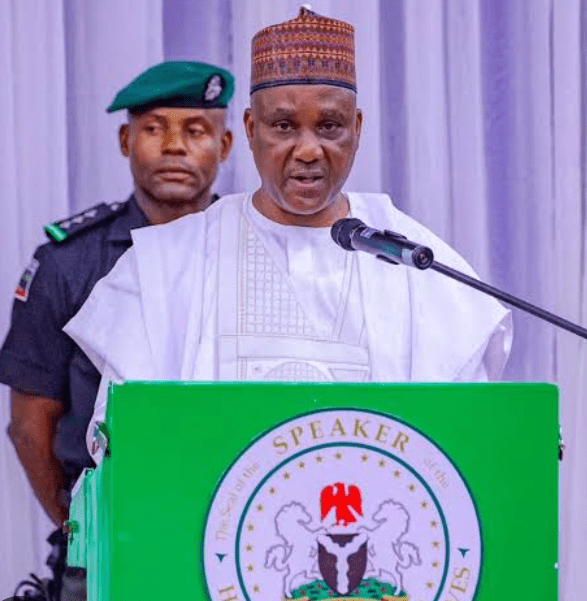
Speaker of the House of Representatives, Tajudeen Abbas, has expressed concerning Nigeria’s soaring debt profile, warning that it has breached the nation’s statutory ceiling, signaling grave threat to fiscal sustainability.
Abbas said Nigeria’s debt had reached “a critical point,” requiring urgent reforms in borrowing practices and oversight to tame the surge.
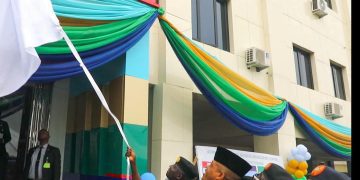
He spoke on Monday at the opening of the 11th Annual Conference and General Assembly of the West Africa Association of Public Accounts Committees (WAAPAC) at the National Assembly, Abuja.
“As at the first quarter of 2025, Nigeria’s total public debt stood at N149.39 trillion, equivalent to about US$97 billion. This represents a sharp rise from N121.7 trillion the previous year, underscoring how quickly the burden has grown.
“Even more concerning is the debt-to-GDP ratio, which now stands at roughly 52 percent, well above the statutory ceiling of 40 percent set by our own laws,” he said.
The Speaker described the debt limit breach as “a signal of strain on fiscal sustainability,” and called for “stronger oversight, transparent borrowing practices, and a collective resolve to ensure that tangible economic and social returns match every naira borrowed.”
Abbas warned that several countries across Africa were in dangerous debt-to-GDP territories, with governments spending more on servicing loans than on healthcare and essential services.
“This is not just a budgetary concern, but a structural crisis that demands urgent parliamentary attention and coordinated reform,” he said.
In order to address the growing fiscal risks, Abbas announced that Nigeria was ready to champion the establishment of a West African Parliamentary Debt Oversight Framework under WAAPAC.
According to him, the framework will harmonise debt reporting across the sub-region, set transparency standards, and empower parliaments with timely data to scrutinise borrowing practices.
The Speaker also disclosed plans for a regional capacity-building programme for Public Accounts and Finance Committees, which will equip members with modern tools for debt sustainability analysis and fiscal risk assessment.
Abbas further warned against reckless debt, saying borrowing should be used to bridge critical infrastructural gaps.
“Borrowing should support infrastructure, health, education, and industries that create jobs and reduce poverty. Reckless debt that fuels consumption or corruption must be exposed and rejected. Oversight is not just about figures, but about the lives and futures behind those figures,” he said.
The Speaker reiterated the 10th House’s commitment to accountability, saying that under its Open Parliament policy, major borrowing proposals would be subjected to public hearings, while simplified debt reports would be made available to citizens.