






















Education experts have called for a comprehensive review of school curricula to enhance learning outcomes and drive meaningful impact.
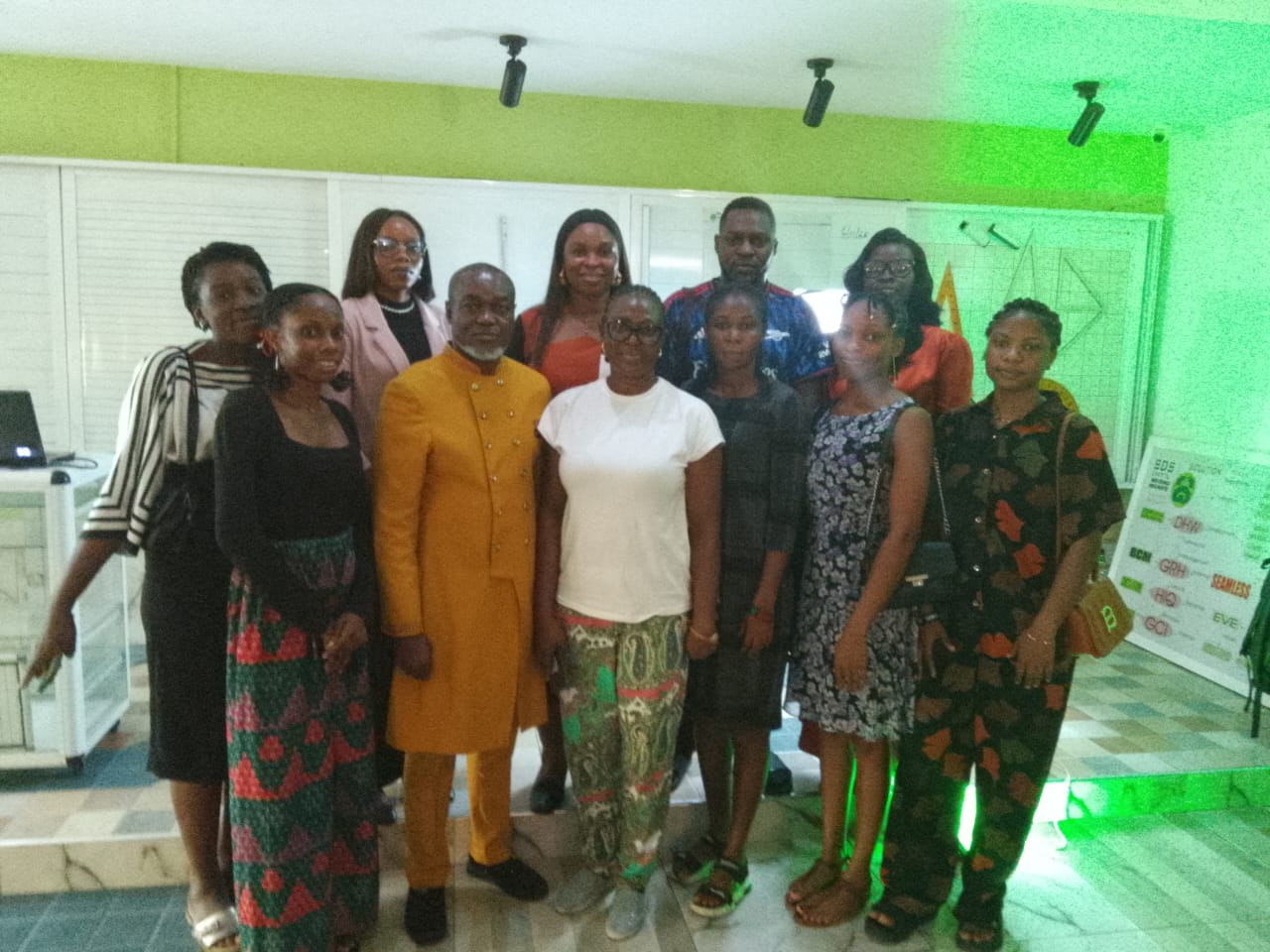
This position was shared by a cross-section of professionals at a two-day free creative teachers’ training organised by Schools Development and Support International Ltd (SDS) in Lagos.
Making a case for curriculum reform, Engr. Anthony Nwachukwu Isiani, Managing Director/CEO of SDS International Ltd, identified a lack of creative ingenuity among teachers as a major challenge in Nigeria’s education sector.
According to him, the current curriculum does not provide sufficient room for teachers to effectively deploy creativity in the classroom—an essential factor for achieving sustainable socioeconomic development.
Isiani, an engineer, inventor, and education solutions provider, noted that SDS International Ltd has developed time-tested learning modules and toolkits that not only liberalise the teaching process but also drive efficiency, performance, and impactful learning outcomes.
Echoing similar views, Mrs. Chinonye Isiani, Business Development Manager at SDS International Ltd, emphasised the need to continuously motivate educators to remain committed to their roles.
She posed a thought-provoking question: “If you stop teaching today, will your students miss your presence? Will you feel the difference? How many of us can remember a teacher who changed our lives?”
Further explaining, Mrs. Isiani, an education psychologist, said the training programme was designed to help teachers rediscover their innate abilities and become more effective and valued professionals.
“We did not gather you here to add more work to your lives; rather, you are here to understand the mind behind the profession. This programme is designed to help you unveil your pedagogical expertise, discover your professional competence, protect your motivation, and remind you why your work matters—so you can teach well and live well.
“When teachers live well, they teach well; and when teachers teach well, they change lives. Teaching is not just a job—it is emotional labour,” she said.
Earlier, Mrs. Jessica Eze, Customer Support Representative and Educational Consultant at SDS International Ltd, presented a paper on the “SDS Concept of Education,” offering a diagnosis of challenges within Nigeria’s education system.
She noted that while the national education policy is visionary, its implementation is hindered by inadequate funding and poor infrastructure.
“Nigeria has a strong educational vision, but vision without classroom creativity produces limited results. We are not here to criticise policy but to strengthen the system. The challenge lies in how we teach, and that is what the SDS Concept of Education seeks to address,” she said.
According to her, education should go beyond curriculum coverage to include talent discovery, continuous refinement, and creative activation.
“The SDS Concept of Education holds that if education is a continuum, then teaching must never become static. Static teaching cannot prepare students for a changing world. Education must produce both academic and life competence, because excellence in school without excellence in life is incomplete.
“Our goal is not to create dependent learners but independent thinkers,” she added.
She further explained that the SDS model is built on five pillars, including the dynamism of education, continuous improvement of ideas and talents, and the discovery of learners’ hidden strengths through intentional observation, identification of natural abilities, task diversification, and encouragement.
“We must prepare students through structured training to become valuable assets capable of driving societal change. National development begins in the classroom. A creative teacher must produce thinkers, innovators, solution providers, and responsible citizens,” she said.
Also speaking, Mrs. Faith Igwe, Corporate Affairs Manager at SDS International Ltd, highlighted structural challenges in Nigeria’s education system, tracing them partly to its colonial origins.
“Nigeria did not originally design its current education system. Much of what we operate today was inherited from colonial administrative structures.
While that system introduced literacy and formal education, it was not designed to foster indigenous innovation, cultural confidence, or economic independence,” she said.
She stressed the need to recognise these gaps and reposition teachers as drivers of homegrown solutions.
“This is a wake-up call to acknowledge the limitations of the inherited system, identify the gaps, and position teachers as solution providers,” she added.