













By Jane Okafor, Abuja
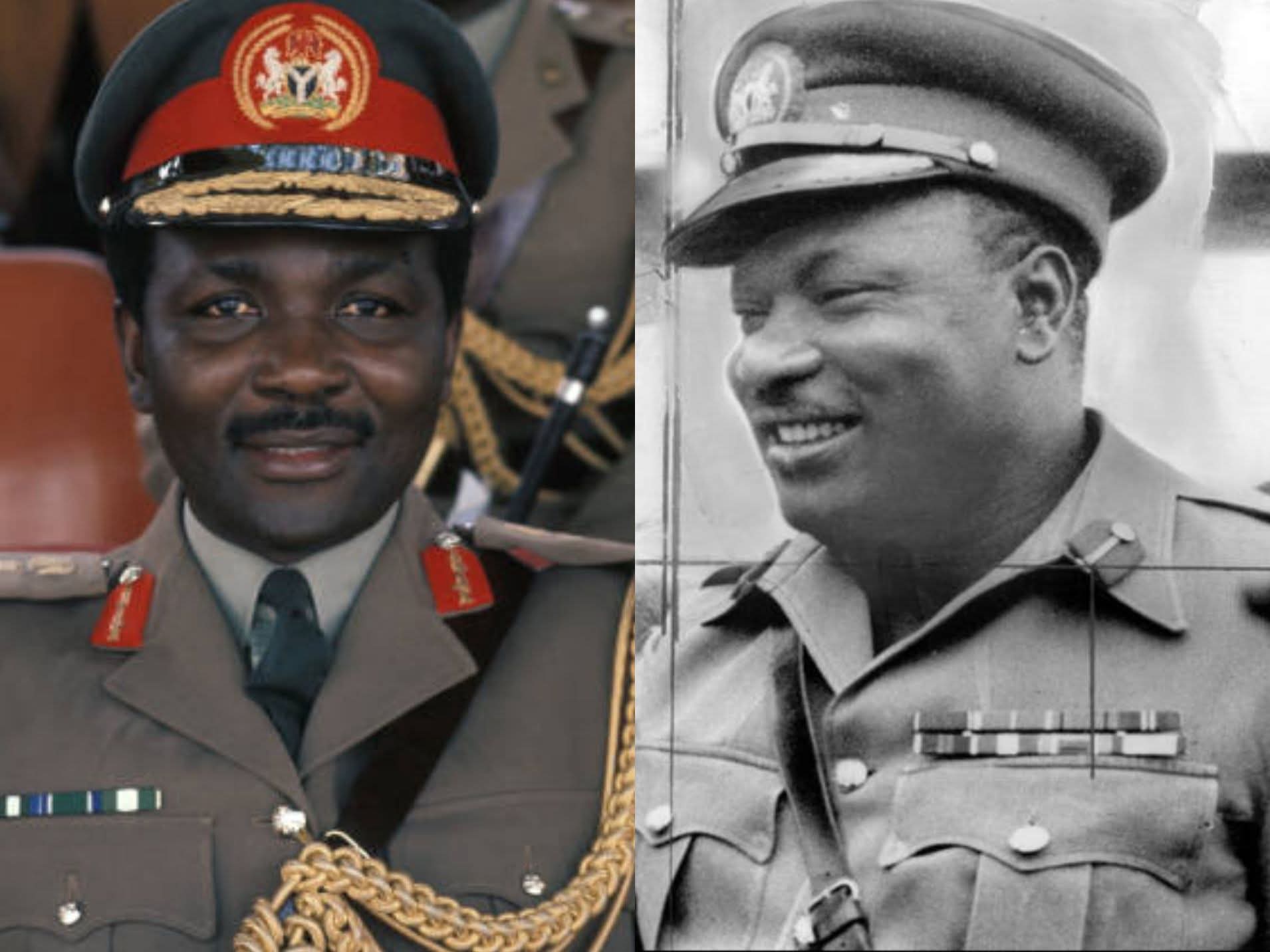
Former Nigerian Head of State, Yakubu Gowon, has revealed how he made frantic efforts to save the life of his former boss, Johnson Thomas Umunnakwe Aguiyi-Ironsi, during the bloody July 1966 counter-coup that reshaped Nigeria’s political history.
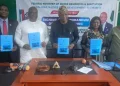
Gowon made the revelation in his newly launched autobiography, My Life of Duty and Allegiance, unveiled on Tuesday in Abuja before a gathering of political leaders, military officers, diplomats and traditional rulers.
Recounting the tense events of July 29, 1966, Gowon said he received a midnight phone call from Major Martin Adamu informing him that mutiny had erupted in Abeokuta amid rumours that Northern officers and soldiers were being disarmed.
According to Gowon, his immediate concern was the safety of General Ironsi, who was then in Ibadan on an official visit.
“My immediate worry was that General Ironsi’s life might be in danger if I did not make an effort to reach him as quickly as possible,” Gowon recalled.
Fearing that mutineers had blocked major road routes to Lagos, Gowon said he quickly ordered that a helicopter be dispatched from Ikeja Airport to evacuate Ironsi from Ibadan.
However, he later discovered that the officer assigned to execute the mission, Major Paul Dickson, was allegedly among those involved in the uprising and never intended to carry out the order.
Gowon said he subsequently called Government House in Ibadan hoping to speak directly with Ironsi, only to find that the mutineers had already surrounded the premises.
To his surprise, the call was answered by Major Theophilus Danjuma, who informed him that Ironsi had already been placed under arrest by officers involved in the coup.
“The presence of so many hot-headed young officers from the North at the scene momentarily unsettled me because they felt hurt by the events of January 15, 1966 and were therefore capable of doing anything,” Gowon wrote.
The former Head of State said he instructed Danjuma to ensure Ironsi’s safety and suggested relocating him to Bida or Ilorin, areas he believed were safer.
But unknown to him at the time, Ironsi and his host, Lt. Col. Adekunle Fajuyi, had already been taken away by the coup plotters in a Land Rover.
Both men were later killed, marking one of the darkest moments in Nigeria’s post-independence history and paving the way for Gowon’s emergence as Head of State.
At the same event, Gowon urged Nigerians not to lose hope in the country ahead of the 2027 general elections, insisting Nigeria would survive its present challenges.
“Ignore the naysayers. Nigeria did not fail under my watch and it will not fail,” he declared.
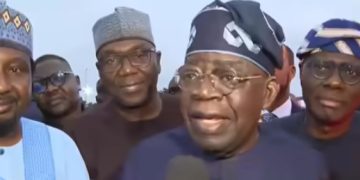
President Bola Ahmed Tinubu, represented by Vice President Kashim Shettima, described Gowon’s memoir as “an important national document” capable of guiding future generations on unity, reconciliation and leadership.
Tinubu praised Gowon’s post-civil war policy of “No victor, no vanquished,” calling it a defining moment that helped preserve Nigeria’s unity after the civil war.
Former President Goodluck Jonathan, who chaired the occasion, said the autobiography offers valuable insight into Nigeria’s turbulent political history and would help preserve institutional memory for future generations.
Also speaking, Matthew Kukah described the memoir as a vivid account of Nigeria’s struggles through civil conflict and nation-building, noting that the lessons remain relevant as the country confronts fresh social and political challenges.