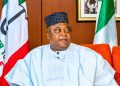














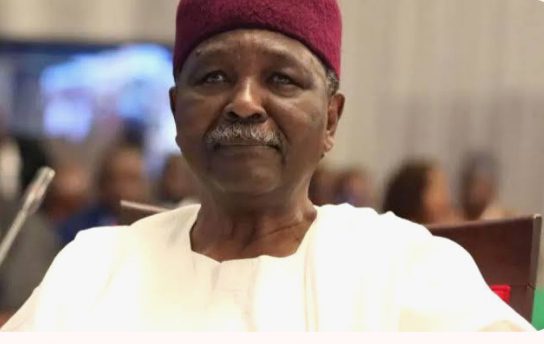
Former Head of State, Yakubu Gowon, has revealed how Nigerian authorities intercepted intelligence on the planned purchase of a B-26 aircraft allegedly meant for use by the Biafran side during the Nigerian Civil War.
The former military ruler made the disclosure in his newly launched autobiography, My Life of Duty and Allegiance, where he recounted key events and personalities that shaped the 1967–1970 civil war.
According to Gowon, the intelligence breakthrough exposed a secret arrangement between former Biafran leader, Chukwuemeka Odumegwu Ojukwu, and the highly influential Rothschild banking family, allegedly involving the mineral wealth of Biafra in exchange for foreign support.
Gowon claimed that France backed the Biafran cause through some of its former African territories, hoping to benefit strategically and economically if Biafra succeeded in breaking away from Nigeria.
He stated that Nigerian officials became aware of the arrangement after the Nigerian Consulate in New York intercepted information relating to the purchase of a B-26 aircraft through a South American country.
According to him, the intelligence was uncovered after negotiators handling the aircraft deal reportedly approached the Nigerian consulate to inquire about exchange rates.
Gowon explained that the information was immediately relayed to Lagos by Moses Ihonde, who later became his Press Secretary, after being dispatched by then Consul General, Simeon Adebo.
The former Head of State further alleged that Ojukwu had “pawned the mineral wealth of Biafra” to the Rothschild family for about $10 million, estimated at roughly N5 million at the time.
Beyond the intelligence operation, Gowon’s memoir also shed light on internal tensions within the Nigerian military hierarchy during the civil war.
He disclosed that former President Olusegun Obasanjo initially resisted serving under Colonel Murtala Muhammed, insisting he would not take orders from an officer he considered his junior.
Gowon said he eventually resolved the dispute by asserting his authority as Commander-in-Chief and directing Obasanjo to accept the assignment.
He added that despite the initial disagreement, Obasanjo later performed effectively in the role and earned his trust throughout the war period.
The former military leader also described Murtala Muhammed as his preferred choice to command the 2 Division during the war, praising his courage and zeal, although he noted that the late Head of State sometimes allowed emotions to influence his actions.