
























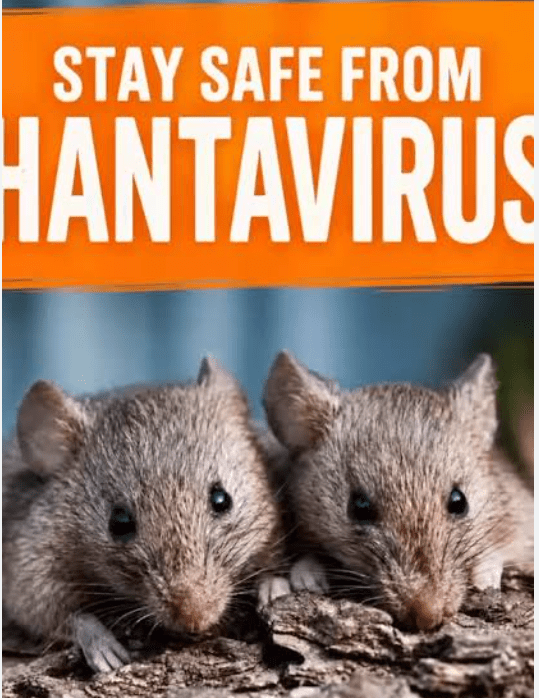
The Nigeria Centre for Disease Control and Prevention (NCDC) has assured Nigerians that there is currently no confirmed case of Hantavirus in the country despite reports of an ongoing outbreak linked to cruise ship travel across multiple countries.
In a public health advisory issued on Friday, the Director-General of the NCDC, Jide Idris, said the agency was closely monitoring reports of a Hantavirus cluster associated with international cruise ship travel.
According to him, the outbreak involves a limited number of confirmed and suspected cases, while investigations and contact tracing efforts are ongoing in the affected countries. He added that available information indicates that the risk to the general public remains low.
Idris explained that Hantaviruses are a group of viruses primarily carried by rodents and can be transmitted to humans through contact with infected rodents or exposure to their urine, saliva, droppings, or contaminated dust particles.
He listed symptoms of the disease to include fever, fatigue, body aches, headaches, and gastrointestinal complications, noting that severe cases could lead to respiratory distress and breathing difficulties.
The NCDC boss further disclosed that the current cluster has been linked to the Andes virus strain, which has previously shown limited human-to-human transmission, especially through close contact.
“At this time, there is no evidence of Hantavirus cases in Nigeria. NCDC is closely monitoring the situation and maintaining surveillance for emerging infectious diseases,” Idris stated.
He urged Nigerians not to panic but to remain vigilant by observing preventive measures aimed at reducing contact with rodents and maintaining proper hygiene.
According to him, such preventive measures include keeping environments clean, preventing rodent infestations, storing food properly, disposing waste safely, and using protective equipment when cleaning rodent-infested areas.
He also advised citizens to maintain regular hand hygiene and adhere strictly to infection prevention and control practices in homes, communities, and healthcare facilities.
Idris added that the NCDC would continue to monitor global developments surrounding the disease, stressing that many epidemic-prone diseases are zoonotic and commonly transmitted by animals such as rodents and bats.
He further cautioned Nigerians against spreading misinformation, urging the public to rely only on verified information from official public health authorities.