

















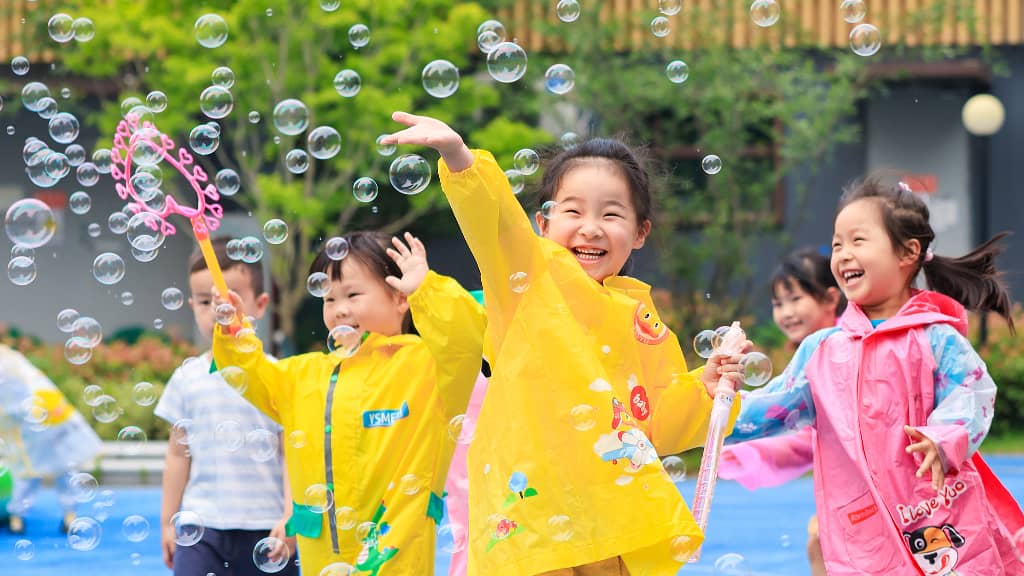
In a bold move aimed at reshaping the country’s education system, Ministry of Education of the People’s Republic of China has released a comprehensive new guideline designed to ensure schoolchildren spend more time outdoors and actively engage in artistic hobbies and handicrafts. The policy marks a significant shift from exam-focused learning to a more balanced, health-centered model.
The guideline will serve as a cornerstone policy document in implementing what officials describe as a “health-first” education philosophy. Authorities say the reform is intended to create a more supportive environment for students’ physical, emotional, and psychological growth.
Sun Mingchun, director of the ministry’s division of physical, health, and arts education, acknowledged that while progress has been made in recent years, persistent challenges remain within the school system. These include concerns over physical fitness, worsening eyesight, weight management, mental health pressures, food safety, and nutrition standards.
According to Sun, the new framework aims to address these issues in a coordinated manner rather than through fragmented efforts. The policy underscores the need to move beyond academic performance as the sole benchmark of success and instead prioritize students’ all-around development.
At the heart of the initiative are eight key tasks that will guide implementation. Among the most prominent measures is a strengthened emphasis on physical education, with primary and secondary school students required to participate in at least two hours of integrated physical activity each day.
To further support physical well-being, schools will introduce structured 15-minute class breaks, encouraging students to rest their eyes and move their bodies. Universities will also roll out fitness improvement programs aimed at boosting students’ long-term health habits.
The reform places equal importance on aesthetic education. Schools will enhance art curricula, organize regular visits to exhibitions, and establish performance opportunities to ensure every student has access to creative expression and cultural enrichment.
Labour education is another pillar of the guideline. Through structured programs, students will cultivate sound work habits while showcasing practical skills and achievements, reinforcing the value of hands-on experience alongside academic study.
Mental health education will be significantly strengthened under the plan. Authorities intend to build more professional support teams within schools and develop a nationwide monitoring and early warning system focused on identifying and addressing students’ psychological challenges at an early stage.
The guideline also outlines robust measures to combat myopia, particularly during critical developmental stages in kindergartens and primary schools. Meanwhile, campus food safety management will be tightened, with stricter meal supervision systems and dedicated food safety and nutrition management personnel assigned to schools.
Life safety education will become a formal part of the curriculum, with expanded training in first-aid knowledge and practical emergency response skills. Officials say these efforts aim to equip students with essential tools for real-world situations beyond the classroom.
Pilot programs have already been launched in more than 540 schools across seven provincial-level regions, including Beijing, Hebei, Shanghai, Jiangsu, Shandong, Henan, and Guangdong. These pilot schools are expected to develop replicable models for healthy school development nationwide.
The rollout will unfold in three stages. By 2027, pilot projects are expected to conclude; by 2030, the health-first philosophy should be widely adopted; and by 2035, authorities aim to establish higher-quality healthy schools across the country, signaling a long-term transformation of China’s educational landscape.