
























By Hadiza Mohammed, Northern Operation
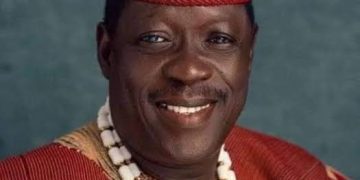
Nigerian oil billionaire Muhammadu Indimi has asked to join the legal battle with his twin daughters over a $43.51 million dividend judgment, escalating a family dispute that is now testing shareholder rights in one of Africa’s biggest privately-owned oil firms.
Indimi, founder of Oriental Energy Resources, filed an application to be joined as a party to the appeal after the company challenged a February Federal High Court ruling in favour of his daughters, Zara and Ameena Indimi.
The sisters had sued Oriental Energy, alleging their shareholdings were unlawfully diluted and that they were denied dividends due to them.
Court filings show the twins originally held about 5% each in Oriental Energy. They claimed that stake was later reduced to roughly 0.63% each, sharply cutting their share of company payouts.
The dispute blew open after Oriental Energy declared a $435.1 million dividend in 2016. The sisters argued they were entitled to dividends based on their original holdings.
In February, the Federal High Court agreed. It ruled that Zara and Ameena remained entitled based on their initial shareholding and ordered Oriental Energy to pay them $43.51 million.
Oriental Energy has since appealed the judgment. The company insists the reduction in the sisters’ shares was lawful, that the transfers were voluntary, and that prior financial settlements had settled the matter.
Now Indimi is seeking to enter the appeal in his personal capacity, not just as the company’s founder.
The Court of Appeal will first decide whether to grant Indimi’s request to be joined before proceeding to hear the main appeal.
What started as a family rift has grown into a landmark corporate governance case. Legal analysts say the outcome could set a precedent for how shareholder rights and succession are handled in African family-owned businesses.
Oriental Energy, founded by Indimi in the early 1990s, is one of Nigeria’s largest indigenous upstream oil producers. The company holds stakes in key offshore assets including Ebok, Okwok and OML 115, and has been central to Nigeria’s push for greater local ownership in the petroleum sector.
For decades, Indimi built Oriental Energy into a flagship of indigenous oil. The current case now puts that legacy, and how the company is governed, under public scrutiny.
The appeal is pending at the Court of Appeal.