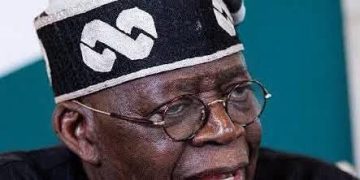






















ABUJA — President Bola Ahmed Tinubu has challenged Nigeria’s media to uphold professionalism by prioritising facts, accuracy and credibility over sensational headlines and the pursuit of online traffic, warning that misinformation and disinformation pose growing threats to democracy and national security.
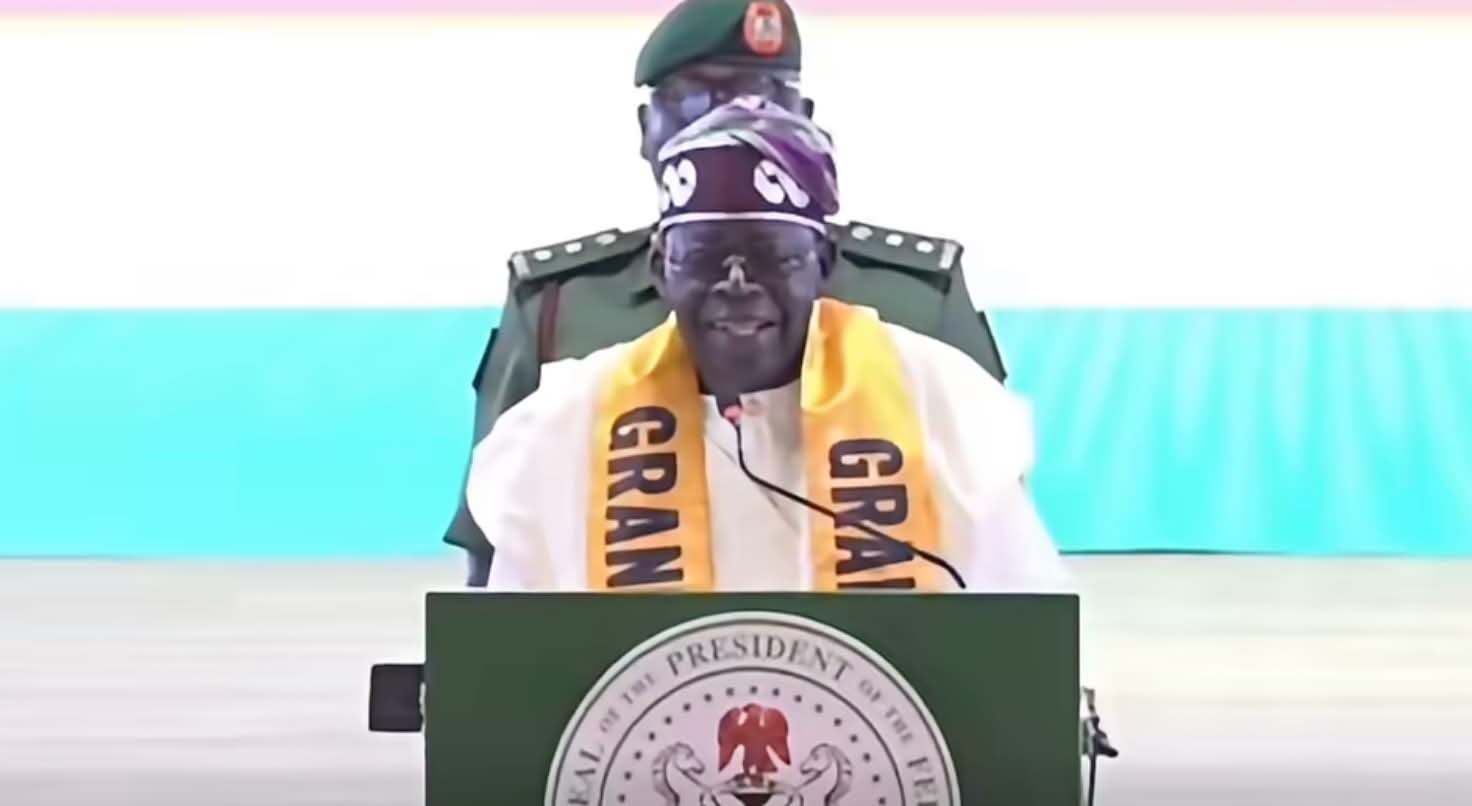
Speaking at the maiden State House Media Dinner in Abuja on Thursday night, the President reaffirmed his administration’s commitment to press freedom but stressed that media freedom must be exercised with responsibility.
“We live in an era where misinformation and disinformation travel faster than facts. The media must choose fact over falsehood. The media must choose substance over sensation. The media must choose credibility over clickbait and the endless race for followers, likes, and viral outrage,” Tinubu said.
Describing himself as “an apostle of a free press,” the President said democracy cannot thrive without an independent media, but insisted that journalists must uphold the ethics of their profession by reporting accurately and avoiding unverified information capable of endangering national security.
He expressed concern over the rise of fake news, deepfakes, voice and facial cloning, urging media practitioners not to become “willing couriers of falsehood.”
Tinubu acknowledged the often adversarial relationship between governments and the press, describing it as a necessary feature of democratic governance.
“Government must act. The media must watch. Government must explain. The media must question. That arrangement guarantees a certain level of tension,” he said, adding that while government and the media may be adversaries in democracy, they remain partners in nation-building.
Reflecting on his decades in public life, Tinubu recalled being subjected to intense media scrutiny and criticised what he described as the tendency for speculation and allegations to become headlines before facts are established.
He also reminded journalists that freedom of expression does not extend to defamation or the deliberate spread of falsehood, noting that laws such as the Cybercrimes Act are designed to protect citizens from malicious misinformation while preserving press freedom.
The President reiterated his administration’s commitment to the constitutional guarantees of freedom of expression and press freedom, citing Sections 22 and 39 of the Constitution, as well as the Freedom of Information Act.
Tinubu also used the occasion to highlight what he described as the achievements of his administration, saying economic reforms were beginning to yield positive results through improved public revenues, stronger foreign reserves, renewed investor confidence and increased investments in the oil and gas sector.
On security, he said military operations had intensified across the country, leading to the neutralisation of thousands of terrorists and criminal elements, the rescue of hostages and the recovery of previously threatened communities.
Calling for stronger collaboration between government and the media, Tinubu urged journalists to embrace constructive engagement while maintaining their watchdog role.
“Let us replace sensationalism with professionalism. Let us replace the pursuit of outrage with the pursuit of truth. Together, let us continue building a nation where truth matters, accountability thrives and democracy flourishes,” he said.