





















‘
The Obi-Kwankwaso Movement (OK Movement) has rejected claims that its campaign structures should operate under the Nigeria Democratic Congress (NDC), declaring that its loyalty is to its preferred candidates, Peter Obi and Rabiu Musa Kwankwaso, rather than to the party as an organisation.
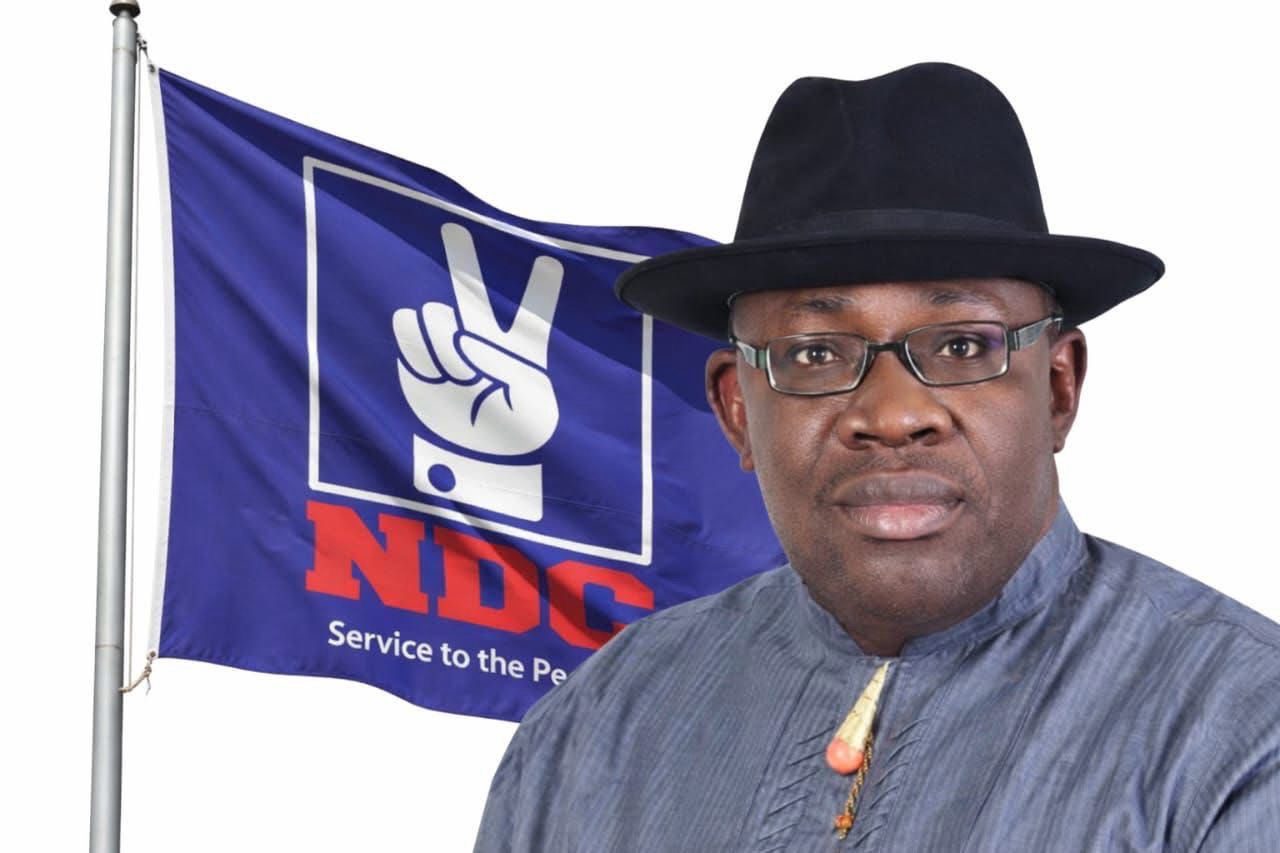
The movement also dismissed comments by the NDC national leader, Senator Seriake Dickson, describing its campaign structure as “nonsensical,” insisting that its political collaboration with the party does not make it an appendage of the NDC.
In a statement on Wednesday by its National Director-General, Hon. John Ozyl Ughulu, the OK Movement said Dickson’s position reflected an outdated understanding of contemporary political mobilisation.
“So it is not nonsensical as claimed by HE Seriake Dickson. Rather, the National Leader of the NDC Party should come to reality that politics has long evolved from the conventional political system he is used to,” the statement said.
The statement followed Dickson’s remarks at an NDC briefing in Abuja on Tuesday, where he warned support groups against competing with the party for political space or attempting to assume the functions of a political party.
Dickson had said support groups should remain support groups, arguing that they should not sponsor candidates, compete for supremacy with political parties or establish structures that duplicate the party’s campaign organisation.
“None of them will dare say they are setting up a campaign, presidential campaign council. It’s unheard of,” Dickson said, before describing such a move as “Nonsensical.”
But the OK Movement said the NDC leader was conflating different political structures and failing to recognise the independent character of the organisation.
It said, “For the avoidance of doubt, the OK Movement is an independent political organization. It is not a support group created as an appendage of any political party or another movement.”
According to the group, its membership cuts across different political parties and is united by support for Obi as its preferred presidential candidate and Kwankwaso as vice-presidential candidate on the NDC ticket.
The movement said its independent status would not diminish its commitment to the NDC ticket or the candidates it supports.
“Our loyalty to our preferred candidates is unwavering. We will mobilize, campaign, vote and defend every legitimate vote cast for the candidates we support,” it said.
The OK Movement also rejected any suggestion that its structures could be taken over or managed by the NDC.
“The OK Movement will not be collapsed, merged or subsumed into the NDC Party or any other organization. Cooperation and political alignment do not extinguish the independent identity of the Movement,” it said.
It further maintained that its structures at the national, state, local government and ward levels belonged to the movement and would remain under its control.
“Our organizational structure remains the property and responsibility of the OK Movement. We will not surrender our established national, state, local government and ward structures to any political party or external support group for management,” the statement said.
The group also rejected the suggestion that its activities should be financially dependent on the NDC, saying its mobilisation remained the responsibility of its members.
On the contentious issue of campaign structures, the OK Movement argued that it had the right to establish its own campaign council and mobilisation strategy in support of the NDC candidates.
“The Movement has the legitimate organizational right to establish its own campaign structure and strategy,” it said, adding that it was “not aware of any provision of the NDC Party constitution that expressly prohibits an independent political organization from establishing its own campaign council or mobilization structure in support of the party’s candidates.”
The group, however, said it did not seek supremacy over the NDC or intend to interfere with the party’s constitutional powers.
“The OK Movement does not claim supremacy over the NDC Party, nor does it seek to usurp the constitutional powers of the party,” it said.
It listed among its claimed rights the freedom to choose and support candidates, campaign for the party and candidates, mobilise voters, coordinate members and volunteers, establish its own operational structures and protect legitimate votes.
The group described its relationship with the NDC as one of political collaboration rather than organisational subordination.
“Our cooperation with the NDC Party should therefore be understood as political collaboration, not organizational subordination,” it said.
The OK Movement also warned against any attempt to dismantle or appropriate its structures, saying they were built through the contributions and sacrifices of its members and coordinators across the country.
“We will resist, through lawful and democratic means, any attempt by any individual or group to disenfranchise members of the Movement, appropriate its structures, or unilaterally redefine its identity,” the statement said.
It added: “We did not build the OK Movement overnight. Its structures were established through the commitment, sacrifice and participation of thousands of members and coordinators across the country.
“No individual can simply declare that structure dissolved, transferred or absorbed without the authority of the Movement’s legitimate organs.”
The group ended its statement with a defiant message to its critics: “We will not be intimidated. We will not surrender our identity. We will not abandon the structures we have built.”
It pledged to continue participating in the political process peacefully and lawfully while campaigning for the candidates it supports.
“The OK Movement stands united, organized and focused,” it said.