






















By Odunayo Babalola, Ago – Iwoye
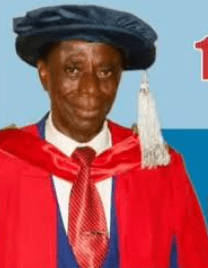
Professor Olufemi Olukayode Kalesanwo has called for a nationwide shift from curative healthcare to preventive health education amid growing public health concerns over the threat of Ebola and other public health diseases in Nigeria.
Kalesanwo who is of the Health Education Unit, Department of Human Kinetics and Health Education, Faculty of Education, Olabisi Onabanjo University, Ogun State made the call just as President Bola Ahmed Tinubu on Tuesday, June 9, 2026, approved the establishment of a Presidential Task Force on Ebola Virus Disease Preparedness and Emerging Public Health Threats, alongside the immediate release of N10 billion to strengthen Nigeria’s readiness against a possible outbreak.
The intervention fund is expected to boost the operational capacity of the Nigeria Centre for Disease Control and Prevention (NCDC) and support emergency public health response measures nationwide.
The task force will include representatives of relevant Ministries, Departments and Agencies (MDAs), as well as state governments.
The federal government’s move follows recent reports of Ebola cases in the Democratic Republic of the Congo and Uganda, heightening fears of possible cross-border transmission within the region.
Speaking during the university’s inaugural lecture held at the OGD Lecture Theatre yesterday, he stressed that prevention remains the most effective strategy for tackling infectious diseases and reducing healthcare burdens.
Delivering a lecture titled “Health Education Knowledge and Practice: Pathways to a Healthy Lifestyle,” Kalesanwo noted that despite advances in medical science, many preventable illnesses continue to claim lives because of poor health literacy and inadequate public health awareness.
“Medical care treats diseases, but health education prevents them,” he declared.
The lecture marked the first inaugural lecture from the Health Education Unit of the Department of Human Kinetics and Health Education. Professor Kalesanwo also made history as the department’s first alumnus to attain the rank of professor.
Fielding questions from journalists shortly after the lecture, he urged governments at all levels to invest more in basic infrastructure that promotes hygiene and healthy living, especially in schools.
“Government should make health-supporting facilities available and affordable for people. Many schools do not even have access to water, yet we expect students to maintain proper hygiene,” he said.
He explained that health education goes beyond awareness campaigns and requires practical behavioural change.
“If you are knowledgeable and do not practise healthy habits, then you are only health-involved, not health-educated. Every Nigerian should desire to become health-educated,” he added.
Professor Kalesanwo said his choice of lecture topic was inspired by the need to promote early prevention and management of diseases before they escalate into major public health emergencies.
“As health educators, we believe strongly that prevention is better than cure. We do not want people spending huge amounts on healthcare. The goal is to create awareness and encourage healthier lifestyles,” he stated.
He also raised concerns over the shortage of health education professionals in Nigeria, noting that many trained graduates are being attracted abroad due to better opportunities and improved working conditions.
“There are enormous opportunities in health education, but many professionals are being taken by developed countries that value their services,” he said.
He advised students studying health education to remain committed and strive for excellence in the profession.
“Once they distinguish themselves, jobs will begin to look for them. I am a model of that,” he said