




















Nobel laureate warns that overreliance on artificial intelligence could erode human imagination, creativity and identity.
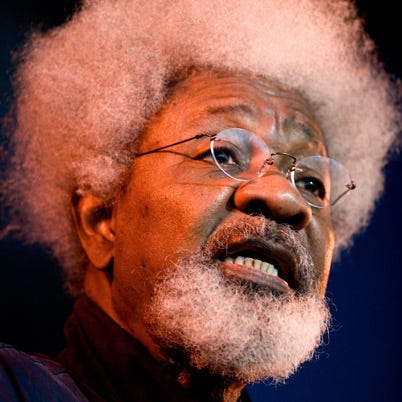
Nobel laureate Professor Wole Soyinka has warned scientists and technology developers against allowing artificial intelligence (AI) to undermine human creativity, imagination and identity, calling for clear boundaries to prevent machines from taking over essential aspects of human existence.
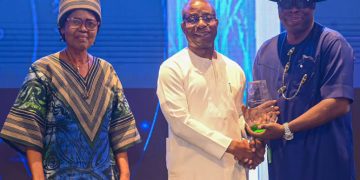
Soyinka gave the warning on Friday at the 2026 Nigerian Prize Awards Night, organised by Nigeria LNG Limited (NLNG) in Lagos, where stakeholders gathered to celebrate excellence in literature, science and the creative arts under the theme Heritage.
While acknowledging AI’s potential to advance human progress, the literary icon cautioned that excessive dependence on the technology could weaken independent thinking and diminish humanity’s capacity for creative expression.
“The menace that AI constitutes, despite the fascination with this incredible facilitator for human progress, the menace is a very real one,” he said.
Soyinka expressed particular concern about the growing use of AI to produce academic theses, poetry and other creative works, arguing that such dependence could gradually undermine the human imagination.
“When AI begins to write our thesis, to write our poetry, or to claim that they are writing our poetry for us, there’s danger. That means we’re being dehumanised,” he said.
“We’re allowing our imagination to atrophy,” he added.
The playwright urged scientists, physicists and technology developers to recognise the limitations of AI, particularly in areas where personal experience, originality and human imagination are central to the creative process.
He also raised concerns about the possibility of AI generating digital clones of writers and other creative professionals capable of reproducing their mannerisms and personalities, warning that such developments could blur the boundaries between authentic human expression and machine-generated imitation.
“When you begin to see a clone of a writer, a clone of the prize winner, on the internet, masquerading, imitating gestures which you thought could only be made by human beings, then there’s a real problem,” he said.
However, Soyinka stressed that his position was not an attempt to resist technological advancement but a call to ensure that innovation remained firmly guided by human values.
“Machines cannot create for us. They can create, they can measure, but they cannot replace humanity,” he said.
He appealed to technology developers to place human welfare and dignity at the centre of AI development.
“So, I appeal to all of you, please humanise machines. Not let machines machinise humanity,” he said.
Soyinka also urged NLNG to consider introducing a special consolation prize to reinforce the importance of protecting human creativity amid the growing influence of artificial intelligence.
He argued that the humanities had a critical role to play in establishing ethical boundaries for emerging technologies, adding that science and the humanities should work together rather than operate in isolation.
According to him, scientific discovery itself depends on imagination, as researchers need vision and creative thinking to interpret facts, develop theories and carry out calculations.
“In fact, if you have no imagination to begin with, you will not translate facts, figures, metallurgy, physical sciences, without imagination, you will not even begin to do your calculations. You have to have a vision to start with,” he said.
The Nobel laureate commended NLNG for bringing together literary, scientific and creative communities through its awards, describing the initiative as an opportunity to expand the frontiers of imagination and promote collaboration across disciplines.
NLNG Highlights Awards’ Role in National Development
Earlier, NLNG Managing Director and Chief Executive Officer, Adeleye Falade, described the company’s awards as important platforms for promoting excellence in Nigeria’s literary, scientific and creative communities.
Falade said this year’s theme, Heritage, underscored the need to preserve the nation’s achievements, strengthen its values and create opportunities for future generations.
“Heritage is not merely a record of our past. It is the legacy we preserve, strengthen and pass on. It is reflected in the values we uphold, the achievements we celebrate and the opportunities that we create for future generations,” he said.
He explained that NLNG’s continued investment in the awards reflected its belief that recognising excellence in literature, science and the creative arts could support national development and inspire emerging talents.
Falade noted that the Nigerian Prize for Science and Innovation had recognised contributions across critical sectors, including healthcare, agriculture, engineering, energy, technology, climate resilience and sustainable development.
He said the prize celebrated researchers whose work went beyond academic publications and laboratory discoveries to produce practical solutions capable of improving lives.
According to him, this year’s science prize-winning work, which focused on artificial intelligence and information technology, demonstrated the potential of innovation to transform lives in Nigeria and beyond.
Falade also described the Nigerian Prize for Literature as one of Africa’s leading literary honours, providing a platform for outstanding writers and promoting global conversations about identity, resilience and shared humanity.
He said the achievements of the award recipients formed part of Nigeria’s intellectual heritage, preserving ideas, discoveries and stories for future generations.
“Each winning work becomes part of our national intellectual heritage, reinforcing values and preserving stories, discoveries and ideas that will continue to inspire future generations,” he said.
The NLNG chief executive also highlighted the Nigerian Prize for Creative Arts, presented for the first time at this year’s ceremony following its launch in 2025.
He said the prize was established to recognise originality, authenticity and creative excellence across disciplines such as music, film, visual arts, fashion and theatre.
According to Falade, the initiative would celebrate artists who preserve Nigeria’s cultural heritage while reinterpreting it for contemporary audiences.
“From Lagos to London, from Abuja to Atlanta, from Port Harcourt to Paris, Nigerian creativity speaks a language the world understands,” he said.
Falade congratulated the finalists and winners, describing their achievements as evidence of the discipline, dedication and perseverance required to attain excellence.
He reaffirmed NLNG’s commitment to supporting initiatives that recognise talent, promote innovation and strengthen Nigeria’s contributions to global literary, scientific and creative communities.
The awards night attracted members of the diplomatic corps, government officials, industry leaders, academics, scientists, writers, creative professionals, judges and previous laureates to celebrate outstanding achievements in literature, science and the creative arts.