























By Jane Okafor, Abuja
Socio-Economic Rights and Accountability Project (SERAP) has expressed a serious concern over the persistent use of criminal defamation lawsuits by the government of President Bola Tinubu to target activists, journalists, bloggers and other Nigerians solely for the peaceful exercise of their human rights.
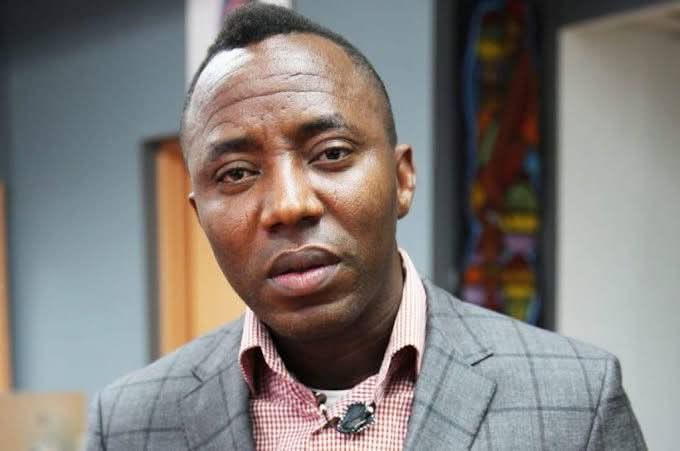
SERAP’s statement follows the ruling on Friday by the Federal High Court in Abuja dismissing the no-case submission filed by activist Omoyele sowore in the case brought against him by the Department of State Services (DSS) over alleged cyberbullying of President Bola Tinubu.
The Court in Abuja had earlier today, Friday, dismissed the no-case submission filed by former presidential candidate, Omoyele Sowore, in the cyberbullying charge instituted against him by the DSS over alleged defamatory comments against President Bola Tinubu.
In dismissing the submission, Justice Mohammed Garba Umar, held that the prosecution had established a prima facie case against Sowore sufficient enough to require him to enter a defence.
The DSS had arraigned Sowore on a two-count charge bordering on alleged cyberbullying, accusing him of referring to Tinubu as a “criminal” on his social media platform, X, formerly known as Twitter.
Sowore had urged the court to discharge and acquit him, arguing in his no-case submission that the prosecution failed to establish any case linking him to the alleged offences.
But, Justice Umar ruled against activist Sowore.
The judge held that the DSS convincely linked Sowore to the allegations and that the evidence presented by the prosecution warranted an explanation from the defendant.
“In view of the evidence before the court, a prima facie case has been made out against the defendant requiring him to enter his defence,” the judge held.
However, in a statement shortly after the ruling, SERAP said, “While we respect the role of the judiciary and the importance of due process, the decision to proceed with this prosecution raises significant human rights concerns, particularly regarding the protection of freedom of expression in Nigeria.”
“The charges against Mr Sowore appear to stem from the peaceful expression of opinions on matters of public interest. International human rights law is clear that public officials, including heads of state, are subject to a higher threshold of criticism. Criminal proceedings based on critical or offensive speech risk undermining democratic accountability and open debate.”
“SERAP is further concerned that the continued prosecution of Mr Sowore would have a chilling effect on journalists, activists, and citizens who seek to express dissenting views or hold those in power accountable. The use of broadly framed laws, including cybercrime provisions, to penalise speech creates a dangerous precedent for civic space in Nigeria.”
“Under Section 39 of the Nigerian Constitution 1999 (as amended), every person has the right to freedom of expression, including the freedom to hold opinions and to receive and impart ideas and information without interference.
This right is reinforced by Article 19 of the International Covenant on Civil and Political Rights and Article 9 of the African Charter on Human and Peoples’ Rights, both of which Nigeria is a state party. Safeguarding the right to free expression and ensuring fair trial guarantees are essential to maintaining public confidence in the justice system.”
“We urge the Nigerian authorities to immediately withdraw all criminal defamation charges against Sowore as those charges are entirely inconsistent and incompatible with Nigeria’s constitutional and international human rights obligations.”
“Nigerian authorities must drop defamation charges against all journalists, activists, human rights defenders and other Nigerians solely for the peaceful exercise of their human rights.”
“Authorities must fully comply with the judgment of the ECOWAS Court of Justice on the Cybercrimes Act by immediately repealing repressive provisions of the Act, including Section 24.”
“The National Assembly should act promptly to review and amend laws that are prone to abuse, including provisions of the Cybercrimes Act, to ensure compliance with international human rights standards.”